Temple Newsam House
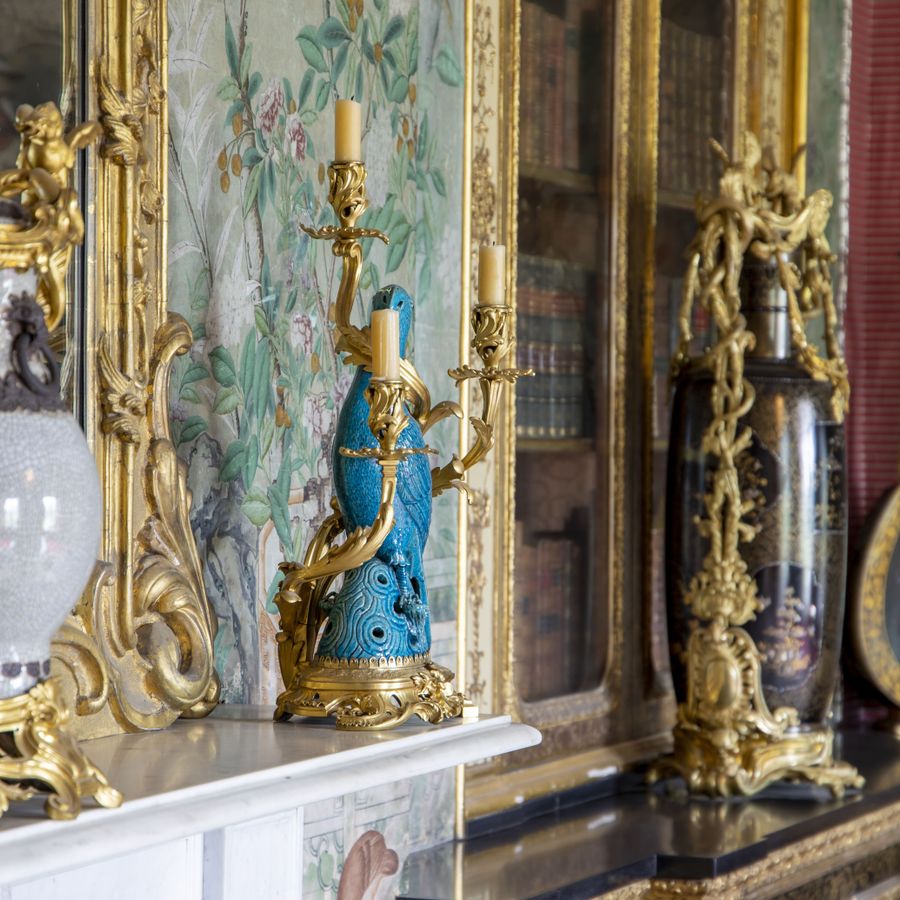
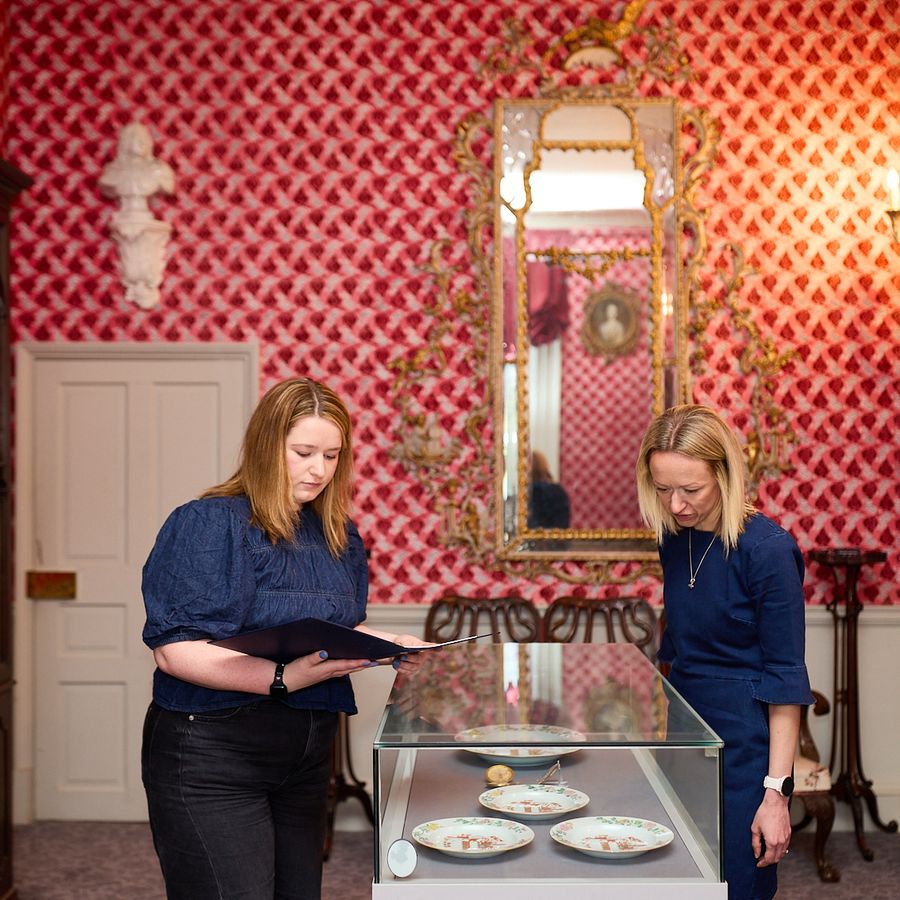
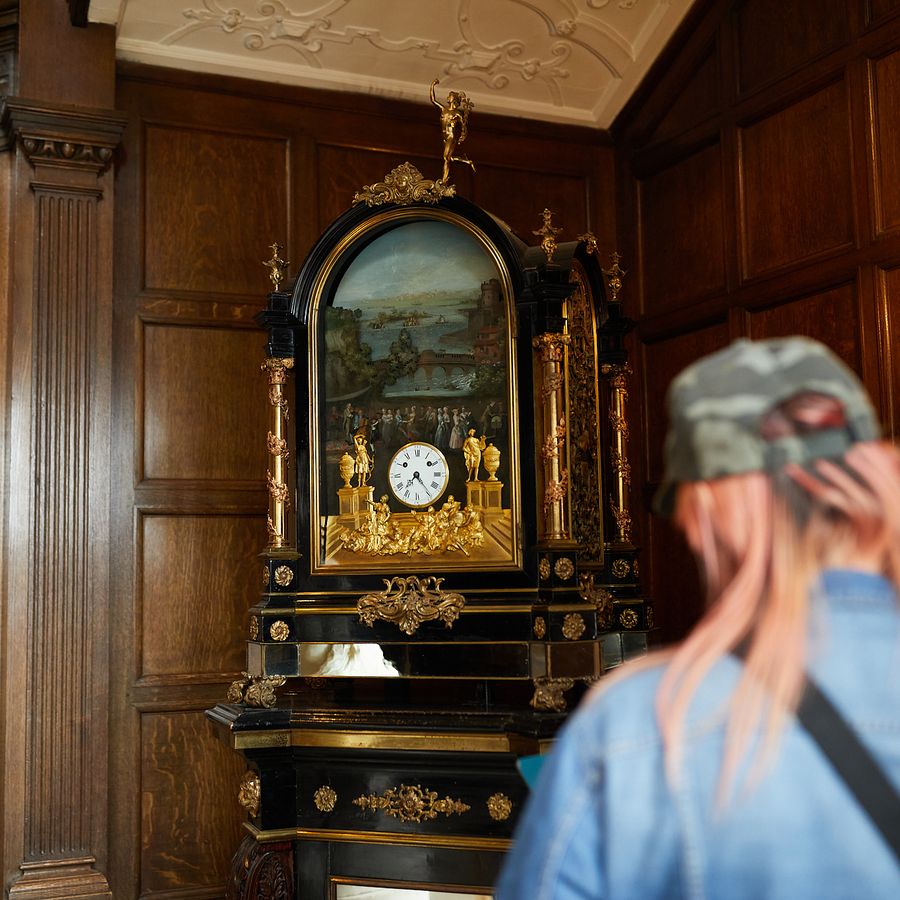
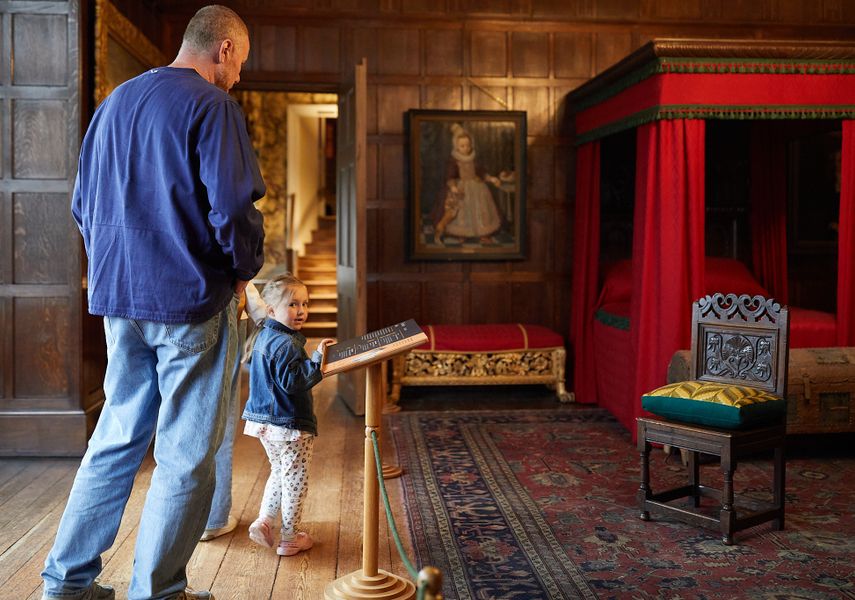
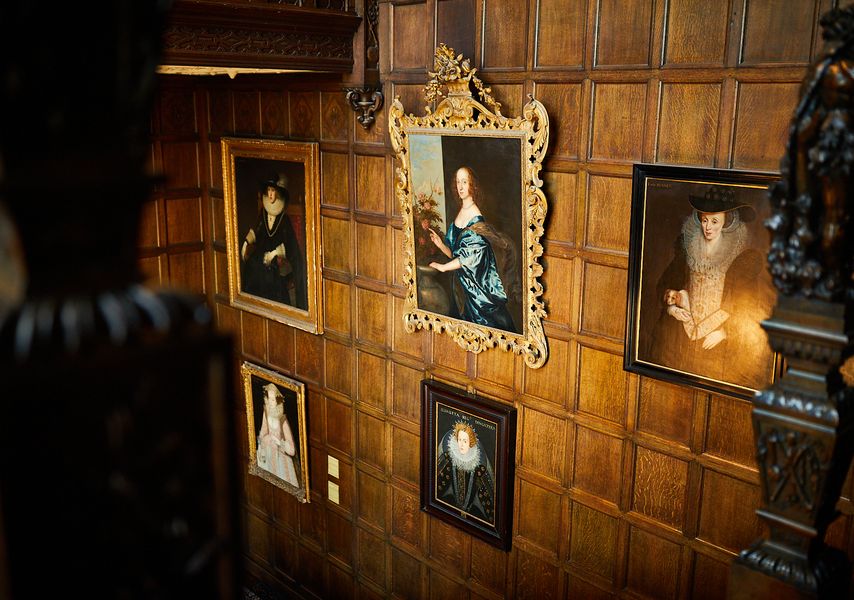
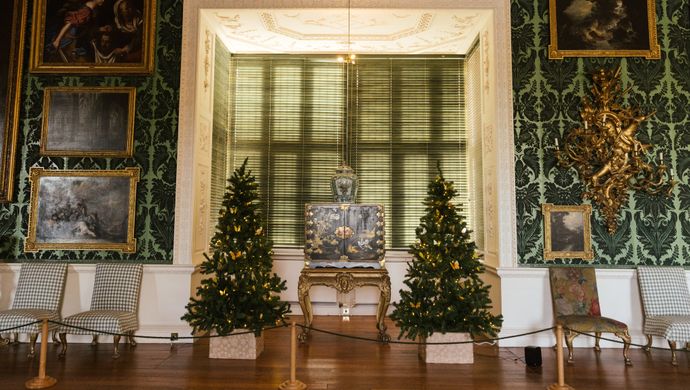
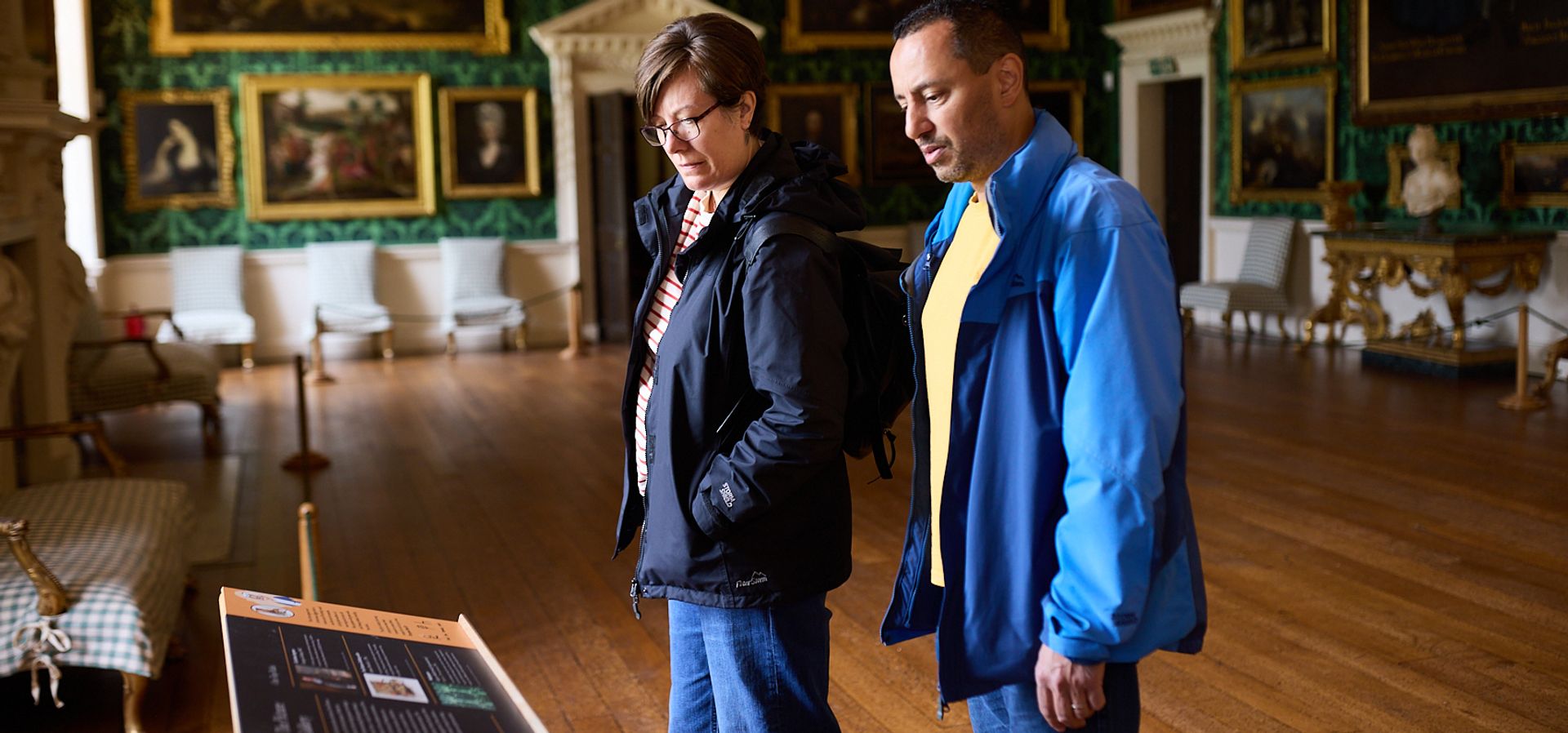
Discover over 40 rooms of treasures, with Chippendale furniture, silver, ceramics, fine art, and wallpaper. Uncover the stories of the people who lived here, including the notorious Lord Darnley and how generations of one family developed the house over 300 years.
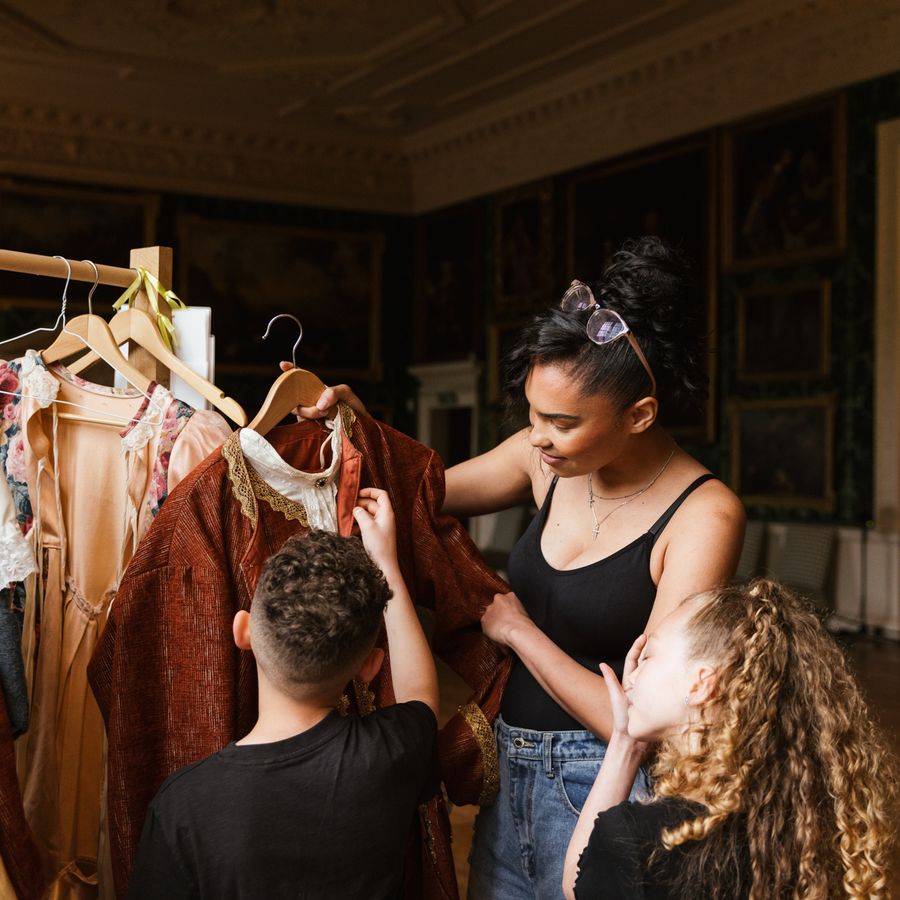
Families can enjoy interactive play bays and a self-led tour with the servant Faith Hardwick. Read the Temple Newsam Family Guide.
Temple Newsam's Collections
The collection has been built up since 1923 when the estate was bought from the Hon. Edward Wood (later the Earl of Halifax) by the city of Leeds and developed as a country house museum, to restore the house and its fine collections to its earlier glory. Despite the sale of many of the furnishings in 1922, the basis of the contents of Temple Newsam House today is still the family collection. This has been added to over the years and now makes up one of the finest publicly owned collections of English decorative art outside London.
The Origins of Temple Newsam
The manor of Newsam (‘new houses’) was first recorded in the Domesday Book in 1086. In 1155 it became a property of the Knights Templar, the military-religious order who guarded the pilgrim routes to Jerusalem. They created a successful farmstead, with over 1000 sheep. After the Knights Templar order was dissolved by Pope Clement V in 1312, the estate moved ownership several times before eventually passing to the Darcy family.
Thomas Lord Darcy built a new house on the estate in the early 1500s, conforming to the Tudor style. The spectacular house, of which only the west wing survives as the central block of the building, formed the foundations for the country house we know today. Darcy did not live to see his estate flourish, being executed in 1537 for his part in the revolt known as the Pilgrimage of Grace. Henry VIII claimed the estate and gifted it to his favourite niece, the Countess of Lennox, and it was here that her sons Henry Stuart, Lord Darnley, and Lord Charles Stuart were born and brought up.
The house was furnished and built as a Renaissance palace, with highly decorative interiors and collections of fine furniture and artworks on display. In the mid-1500s Temple Newsam was a site of political intrigue, which came to a head with Darnley’s marriage to Mary Queen of Scots and subsequent murder. After Mary Queen of Scots was imprisoned, Queen Elizabeth I seized the estate and it became the property of the Crown.
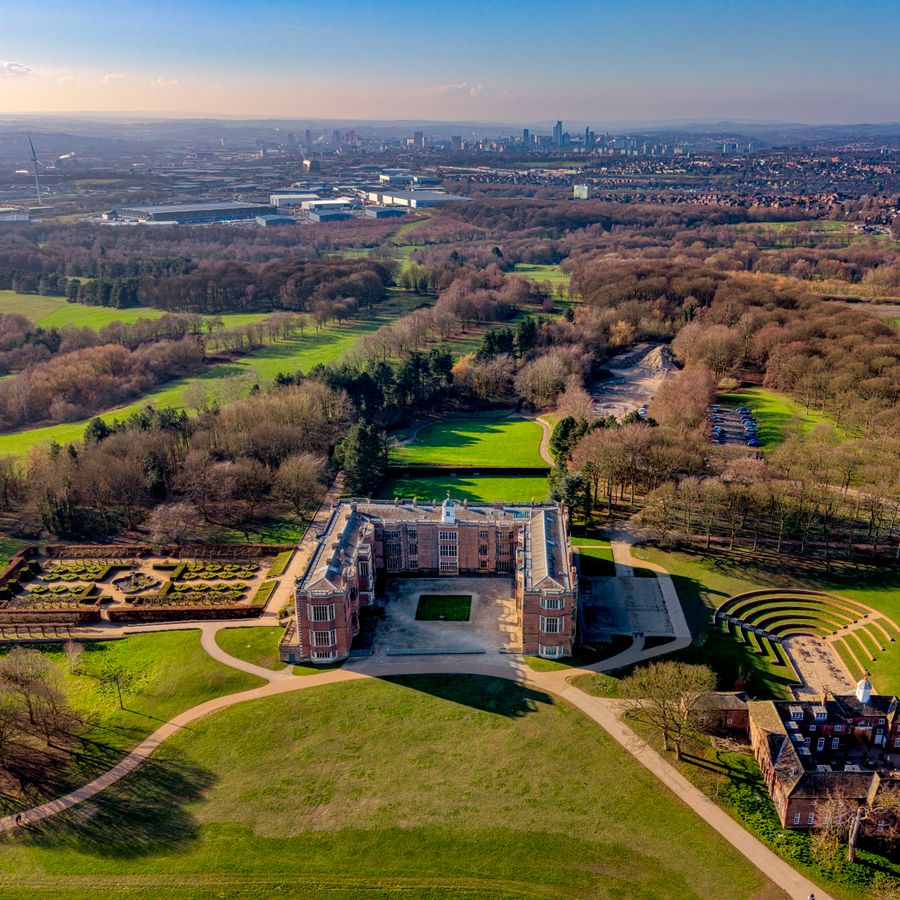
Temple Newsam became neglected for nearly 80 years before being bought by the entrepreneur Sir Arthur Ingram. He demolished three sides of the Tudor house and rebuilt two new wings to the north and south, uniting the whole property in 1628 with the country’s longest external inscription. Sir Arthur’s descendants, who went on to inherit the house, were wildly extravagant in their spending, leading to the sale of many furnishings.
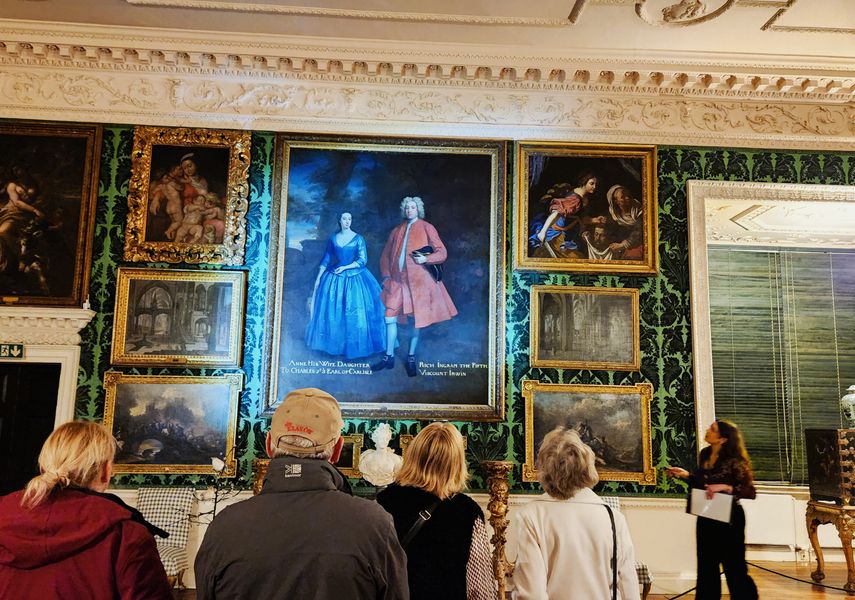
The house continued to see a reduction in funds until it was inherited by the third Viscount, Arthur Irwin. Isabella brought with her two parliamentary seats, courtesy of her father, and a degree of wealth which enabled the estate to expand on a huge scale.
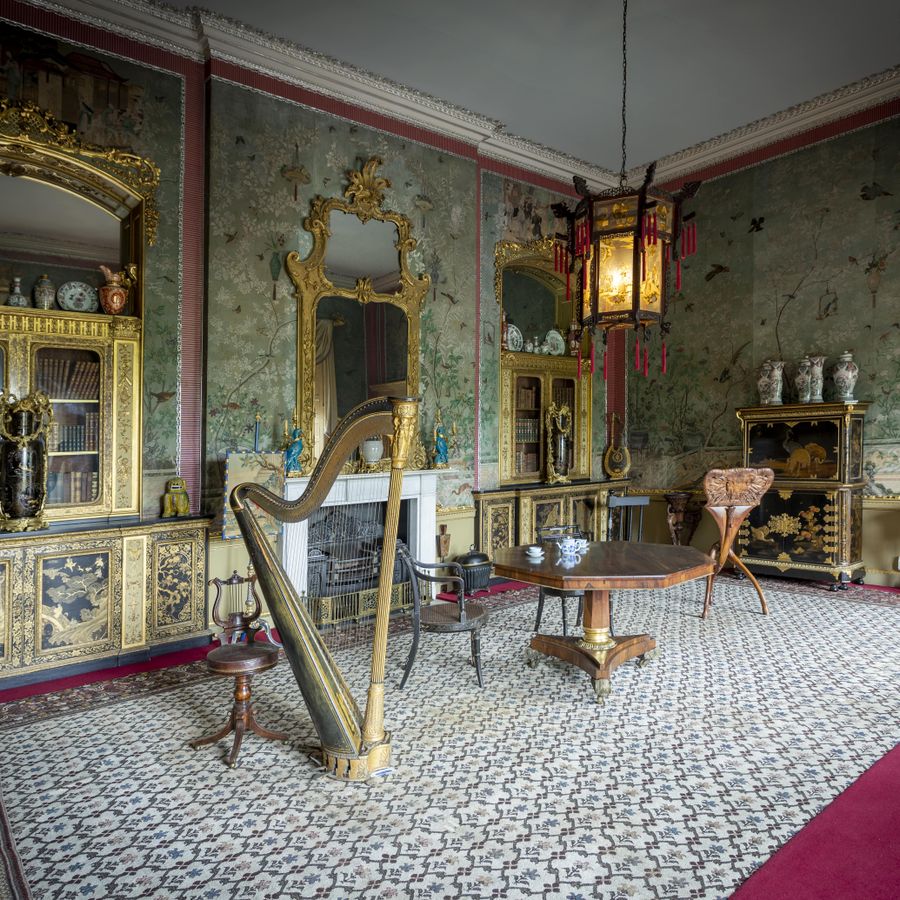
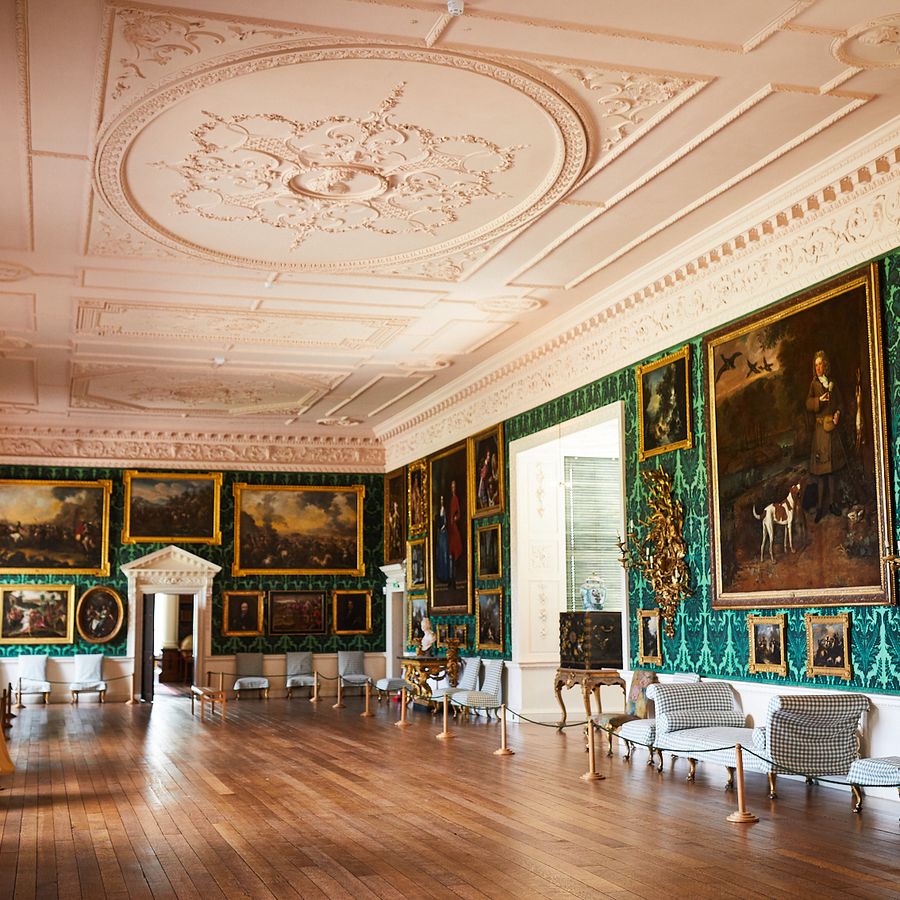
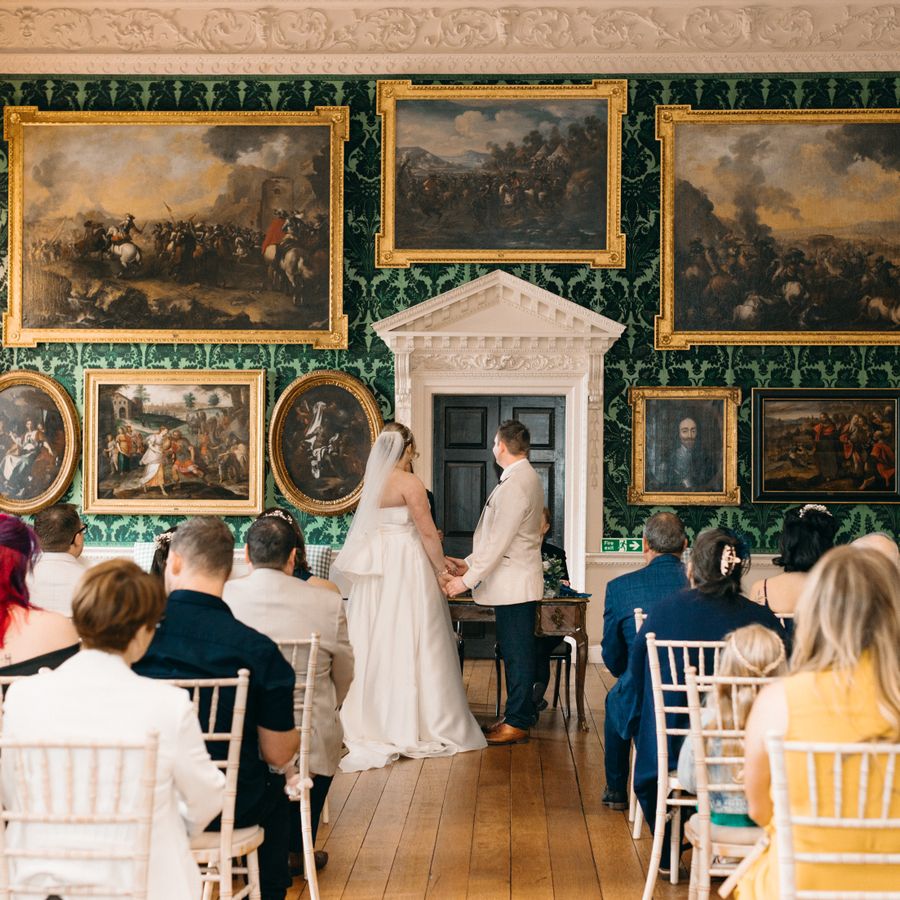
Beyond its illustrious Tudor origins, the Ingram family also left their marks. Today Temple Newsam contains a rich tapestry of period interiors from the 1600s onwards, showing how different generations lived. Not to be missed are the spectacular Picture Gallery and the intimate Chinese Drawing Room.
For the last 100 years Temple Newsam has been owned by the City of Leeds for the enjoyment of all. In that time, Temple Newsam’s deep history has been supplemented by one of the greatest collections of fine and decorative arts in Britain. Discover this treasure trove of furniture, ceramics, textiles, silver and wallpaper in a remarkable country house setting.
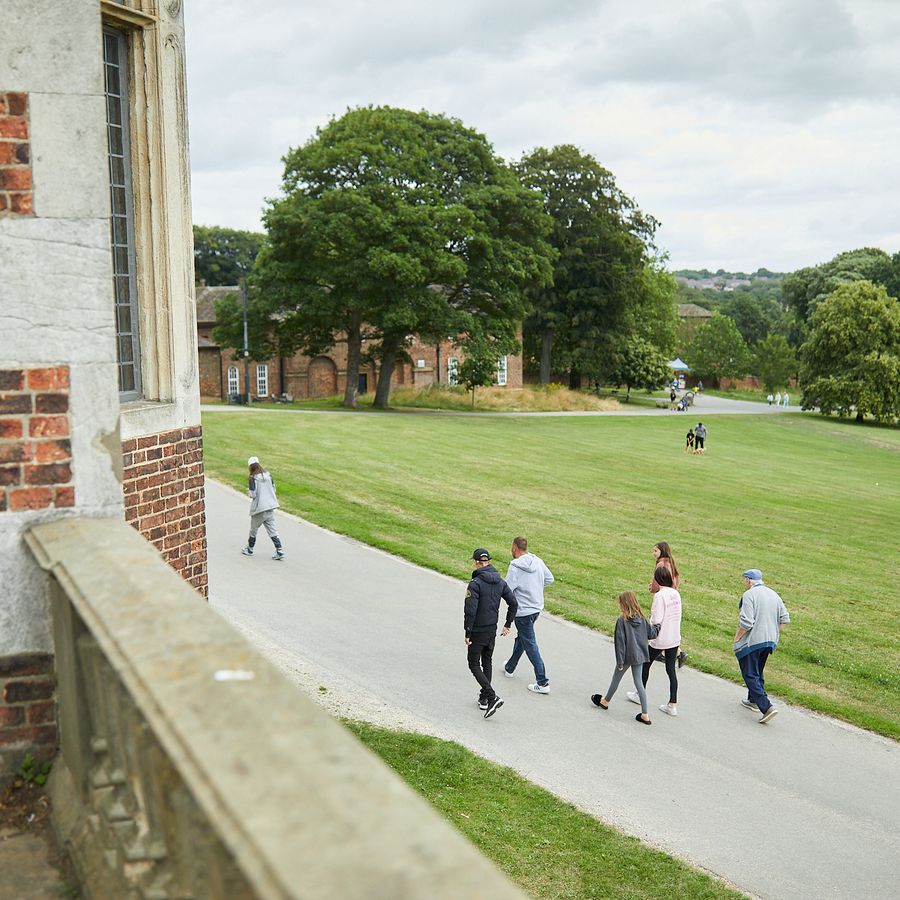
Discover Temple Newsam today.