
History and Stories
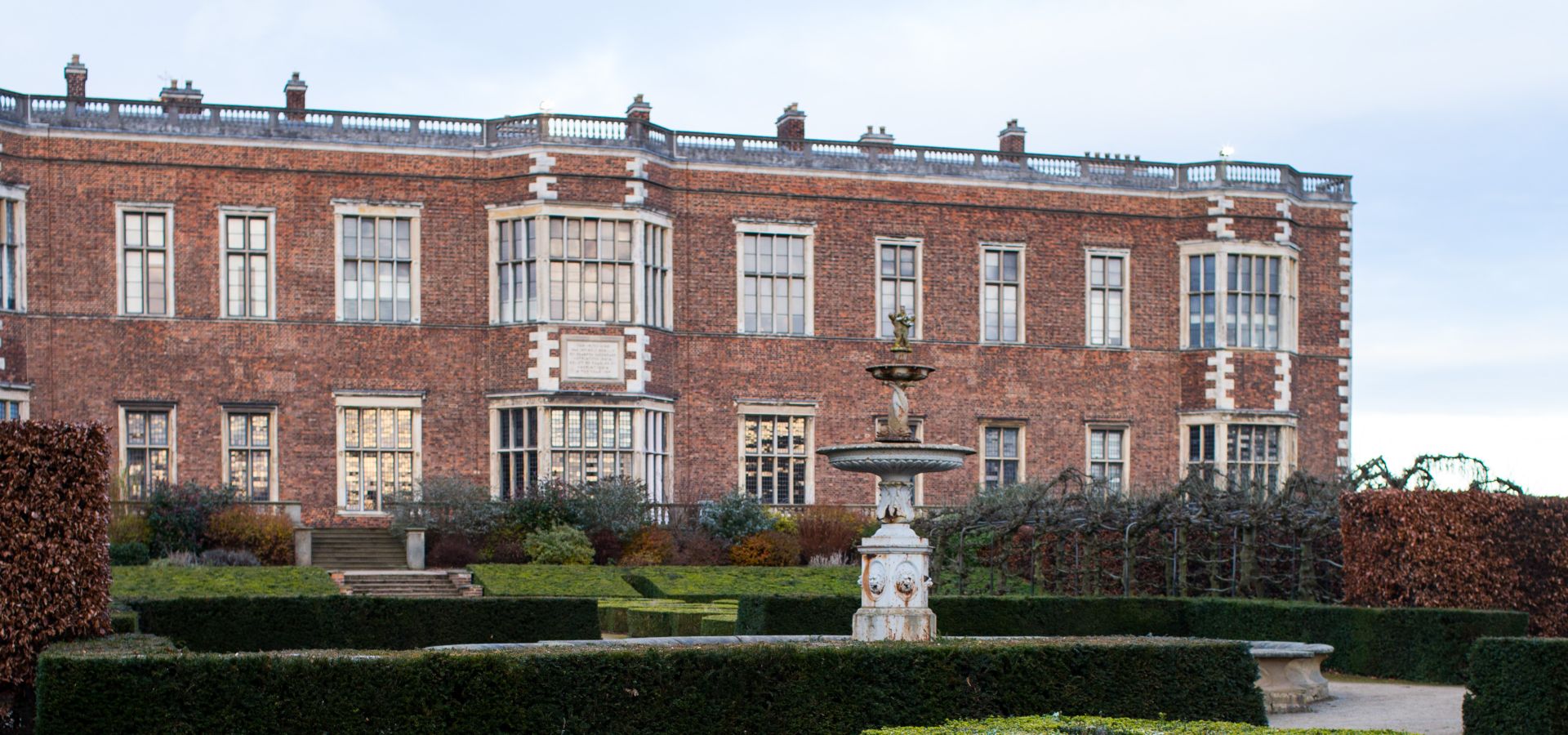
The story of Temple Newsam is one of ambition, reinvention and contradiction. Over five centuries, the house has passed through powerful families, royal connections and public ownership, each leaving visible marks on what you see today.
The story at a glance
- First recorded in the Domesday Book (1086)
- Once owned by the Knights Templar
- A Tudor house with royal connections including Mary, Queen of Scots
- Shaped over 300 years by generations of a wealthy, ambitious family.
- Opened to the public in 1923 as a country house museum
From medieval estate to Tudor powerhouse
Temple Newsam began as a medieval estate before passing to the Knights Templar in the 12th century, who established it as a productive farming site, and it’s from the Templars that the name Temple Newsam derives.
In the early 1500s, Thomas, Lord Darcy built a grand Tudor house, laying the foundations for what you see today. His story ended dramatically when he was executed for his role in the Pilgrimage of Grace, after which the estate was seized by Henry VIII.
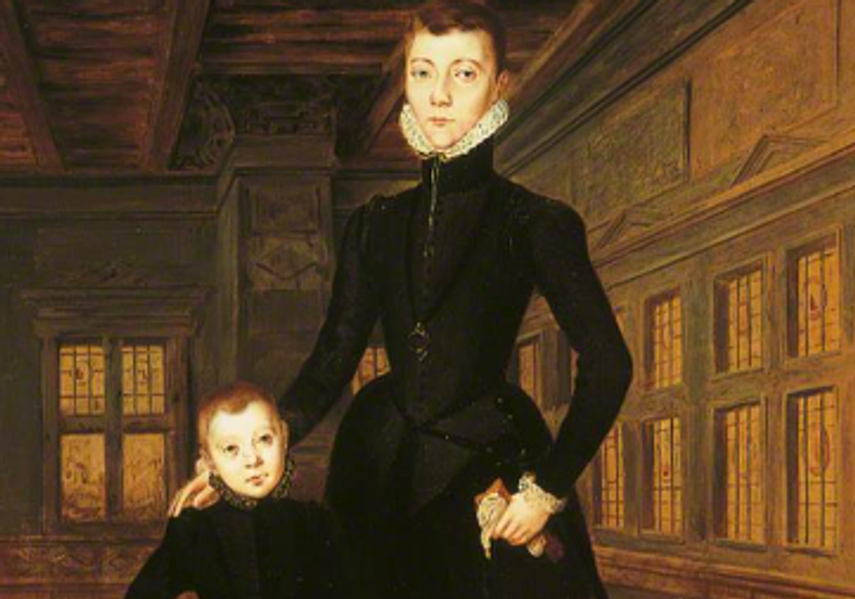
The house then became closely tied to royal history. It was home to Henry Stuart, Lord Darnley, whose marriage to Mary, Queen of Scots would shape the future of the British monarchy through their son, James I of England.
Reinvention and ambition: the Ingram family
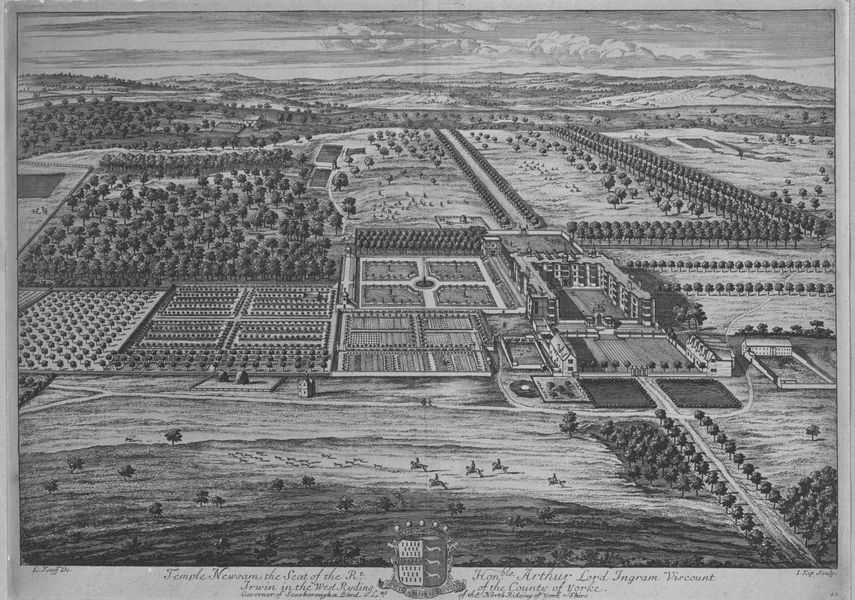
After decades of decline, the house was transformed in the 17th century by Sir Arthur Ingram, a Yorkshire-born entrepreneur who reshaped it into a grand country residence.
For the next 300 years, the Ingram family, and their descendants, continually adapted the house:
- Expanding and remodelling interiors
- Investing in art and design
- Reflecting changing tastes and status
Their legacy is still visible in the layout and many of the rooms today.
Wealth, taste and global connections: the Georgian transformation
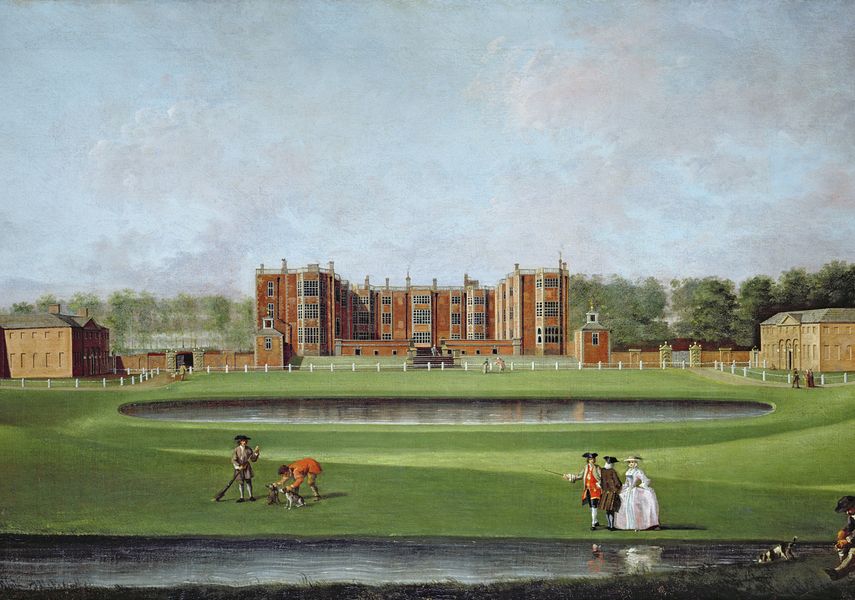
The Georgian period was one of the most dramatic chapters in Temple Newsam’s history. During the 18th century, the estate experienced soaring fortunes, bold architectural changes and a flourishing of artistic taste that still defines the house today.
The Ingram family and their descendants reshaped Temple Newsam to reflect their status and ambitions:
- Major architectural changes
- Elegant new interiors inspired by the latest Georgian fashions
- A redesigned landscape, including work by Capability Brown
This was also a period of dramatic financial highs and lows. Early investments in the South Sea Bubble brought instability, but later wealth, particularly through Frances Shepheard, funded a new wave of transformation.
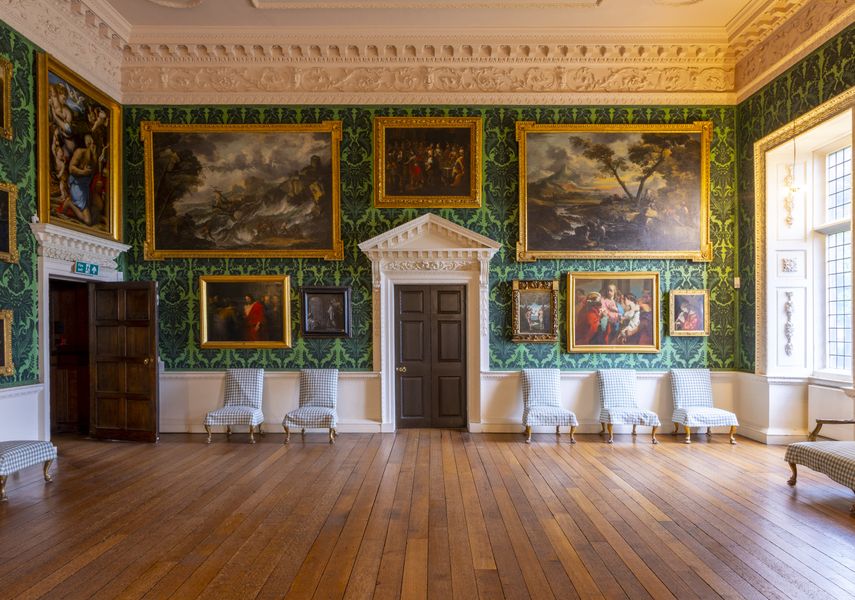
The Picture Gallery: a Georgian masterpiece
One of the greatest achievements of this era is the Picture Gallery, created in the 1740s. It is considered the most complete grand interior of its kind in England, featuring:
- A remarkable suite of gilded Rococo furniture made in 1746
- A long, light‑filled space designed to display art and impress visitors
- A rare survival of Georgian taste at its most confident and expressive
It remains one of the finest historic interiors in the country
Global wealth and difficult histories
Some of the wealth that shaped Temple Newsam during the Georgian period was linked to colonial trade and the transatlantic slave economy. This forms an important and complex part of the house’s story, and ongoing research continues to deepen our understanding of these connections.
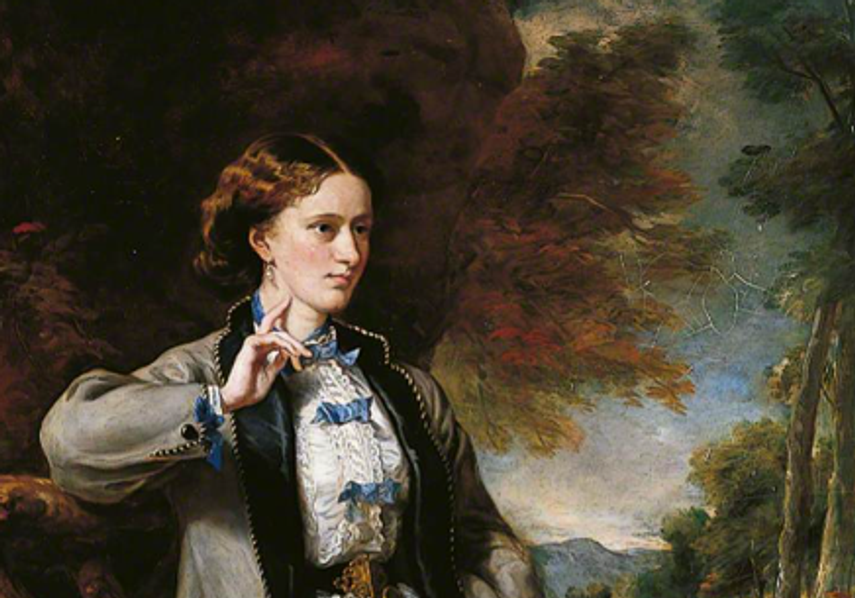
The Victorian transformation
In the late 19th century, Temple Newsam was reshaped by Emily Meynell-Ingram, one of the wealthiest women in Britain and the last private owner of the house.
Following the early death of her husband, she undertook major changes:
- Reworking interiors in a Tudor and Jacobean revival style
- Installing the striking oak staircase
- Removing earlier Georgian features to emphasise the house’s historic character
At the same time, the estate’s wealth increasingly came from industry, including coal mining, reflecting wider changes in Britain.
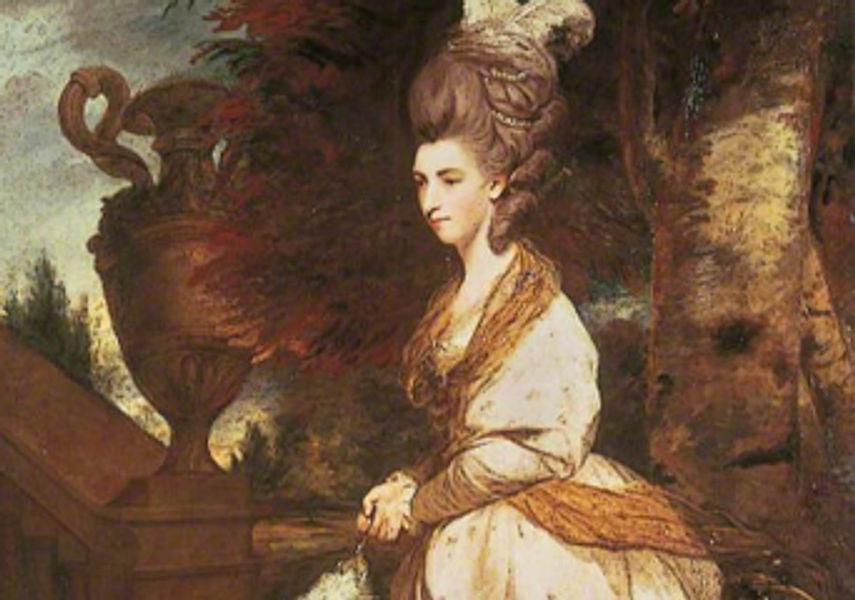
A house shaped by women
From the late 18th century, Temple Newsam entered a period largely shaped by women. Figures such as Isabella, Marchioness of Hertford, left a lasting mark on the interiors, including the creation of the famous Chinese Drawing Room, celebrated for its association with the Prince of Wales (later George IV) and its rare Audubon bird prints, which make it one of the most distinctive rooms in the house.
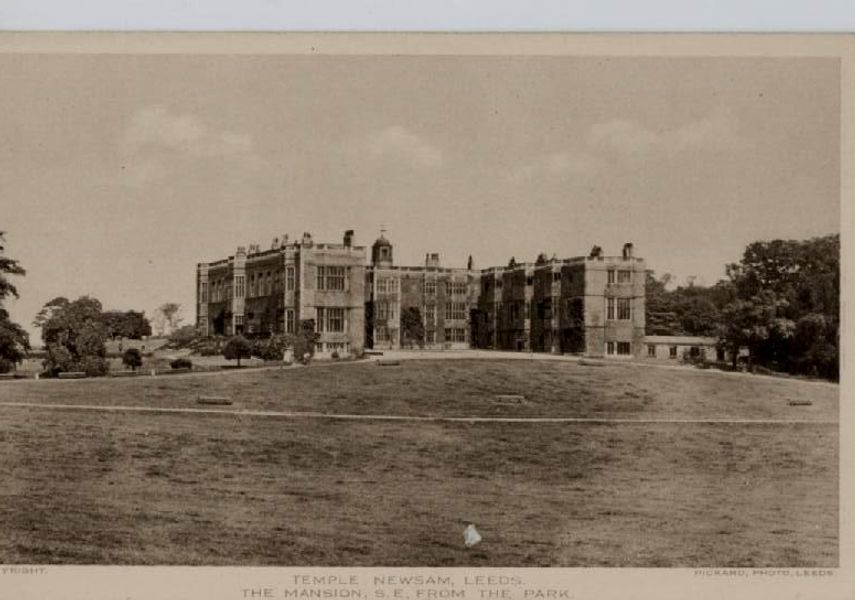
Decline, change and survival
By the early 20th century, like many country houses, Temple Newsam faced an uncertain future.
Urban expansion and changing economic conditions made it increasingly difficult to maintain. In 1922, the estate was sold to the city, and in 1923 the house opened to the public.
Much of the original contents had been sold or removed, but this moment of loss created a new beginning.
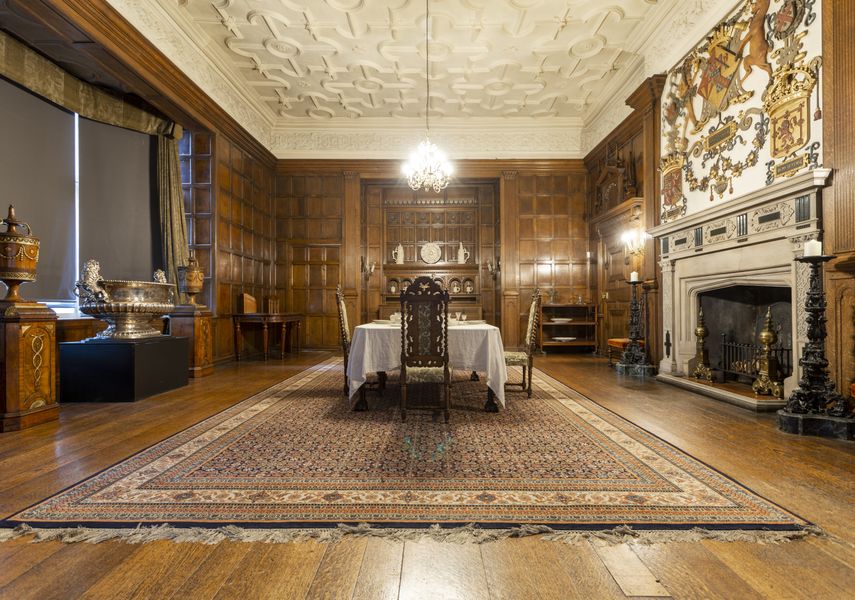
From empty house to world-class collection
Since opening as a museum, Temple Newsam has been transformed.
Curators have built a collection of fine and decorative arts that is now considered one of the most important in the UK, second only to the Victoria and Albert Museum in its furniture collections.
Current day
For over 100 years, Temple Newsam has been cared for by the people of Leeds. What was once a private estate is now a public space, open for everyone to explore, learn from and enjoy.
Its story continues to evolve through:
- Conservation work
- Exhibitions
- Working with contemporary artists
- Continuing to grow the collection through acquisitions
- New research and interpretation
You can visit Temple Newsam House by General Admission or special event to find out more about it's history. Take in the beautiful landscape on a Rooftop Tour, delve into the spooky cellars over Halloween, there are events for all seasons.