The Dearlove Family’s Great Exhibitions
Featured in In The Picture: Objects in Focus exhibition at Abbey House Museum
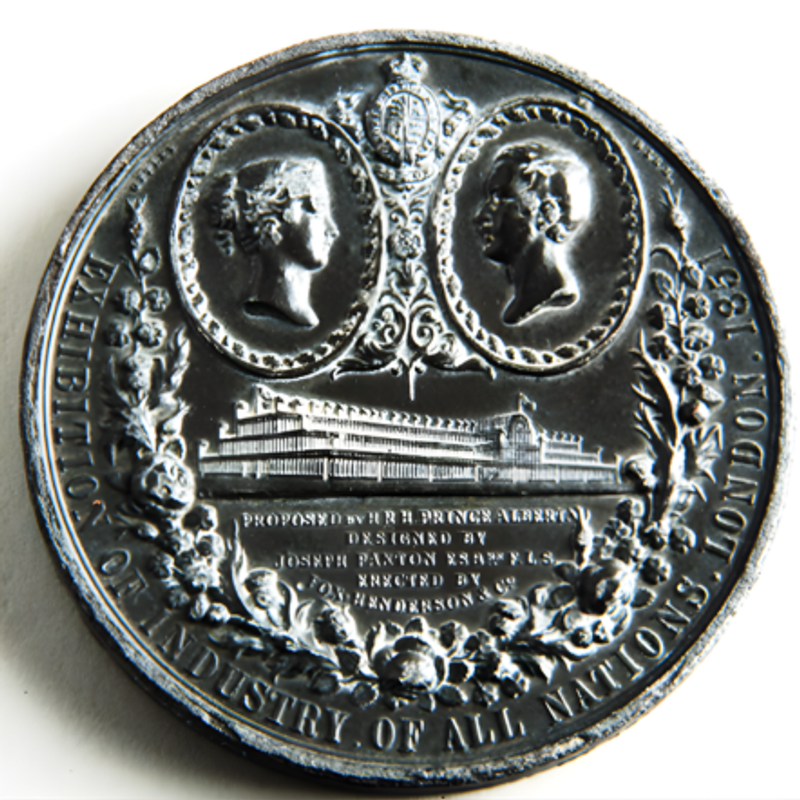
In May 1851the ‘World’s Fair’ took place in London’s Hyde Park within a specifically constructed glass house called The Great Shalimar, later renamed the Crystal Palace. Organised by Prince Albert, the Great Exhibition aimed to showcase the best of the best from around the world, with craftsmen, businessmen, and artists visiting to show off their goods. Between May and October, the exhibition attracted a huge audience including many notable people such as Charles Darwin, Charlotte Bronte, and Karl Marx. It was the perfect opportunity to demonstrate products and gain customers.
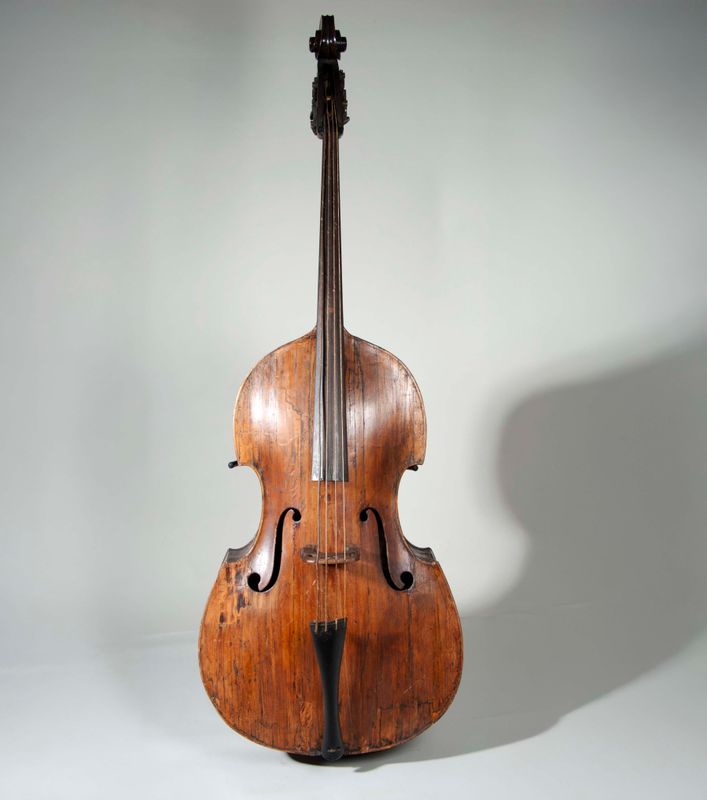
One exhibitor was Mark William Dearlove (1802-1880), a maker of musical instruments from Leeds. He attended the 1851 Great Exhibition with miniature quartet of string instruments to display. One of these instruments, a miniature double bass, stands at approximately 35cm tall – big enough to demonstrate his craftmanship skills, but still small enough to transport to London for the exhibition. We know from a label inside, that the full-sized double bass in this exhibition was also on display.
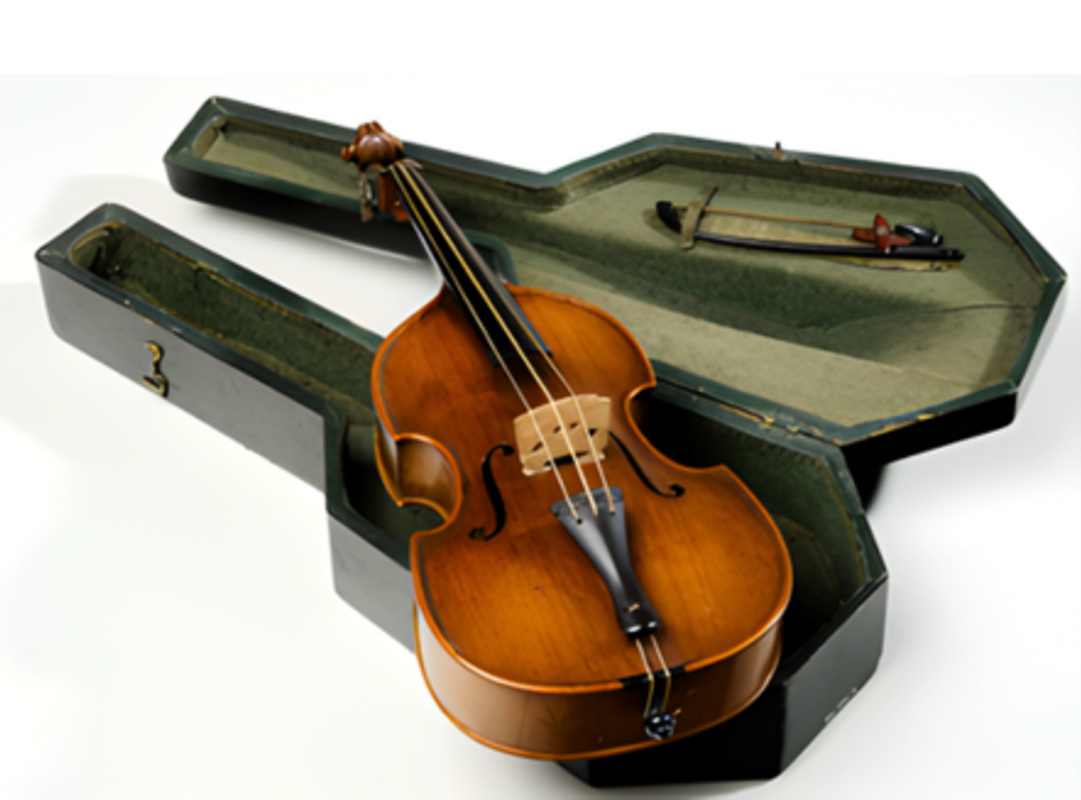
Mark Dearlove’s miniature instruments were not made specifically for the Great Exhibition. Three years earlier, the Swedish opera singer Jenny Lind (who features somewhat fictionalised in the film The Greatest Showman) was shown a Dearlove miniature violin before a concert at Leeds Music Hall. She is said to have been impressed by the quality of the model, remarking on its detail and likeness to the full-size Stradivarius upon which its design had been based.
We don’t know how much business improved after the 1851 Great Exhibition, but it seems that it was worth the time and effort as he returned for the follow-up exhibition in 1862 at South Kensington. He also displayed his works at more local exhibitions, such as those in Wakefield and York in 1865 and 1866 respectively.
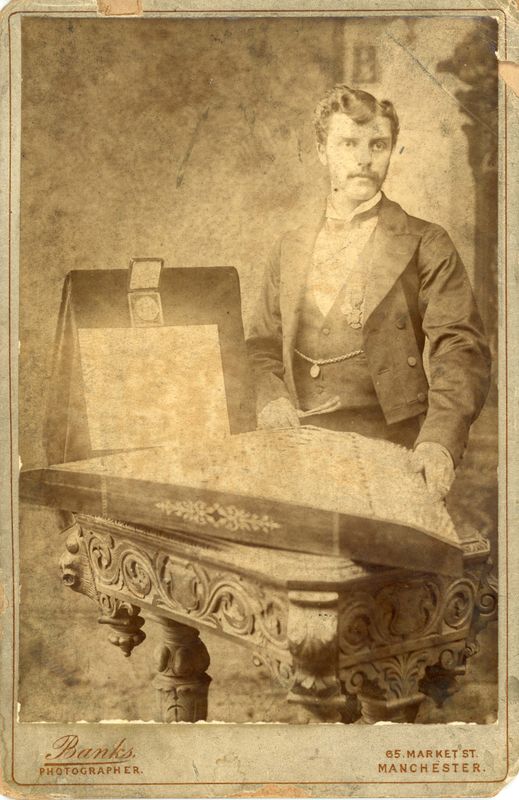
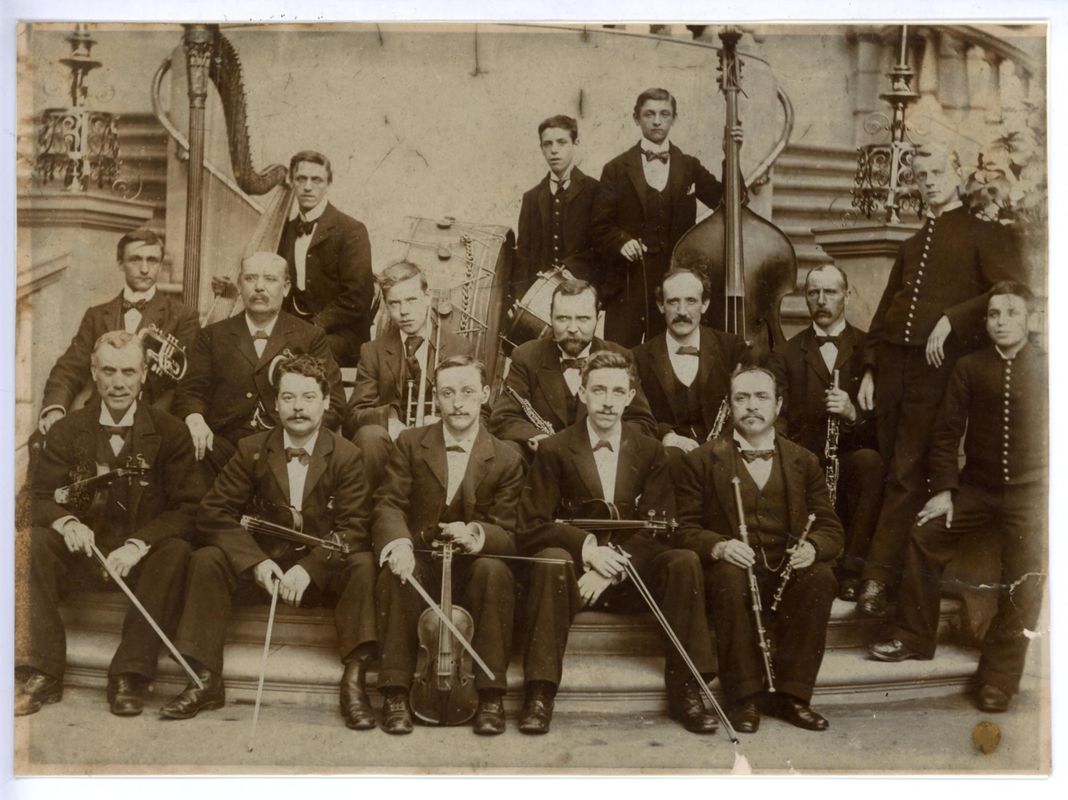
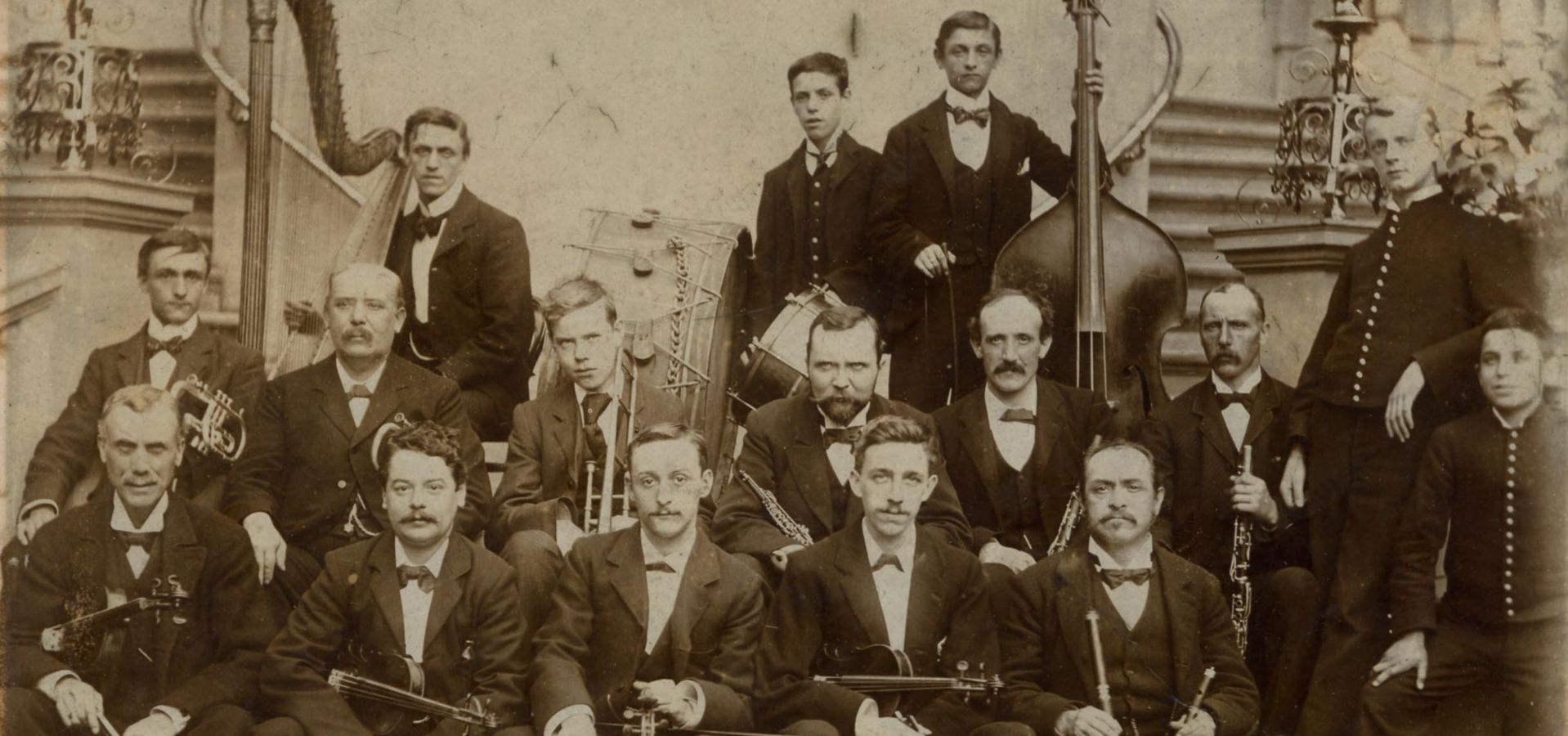
The Dearlove family were not just known for their prowess in craftsmanship but were all accomplished musicians who performed across the British Isles and beyond. With so many family members, they were able to establish bands comprised solely of Dearloves. They typically played lively, popular music for audiences in leisure towns. The double bass played by Arthur Dearlove originally had three strings rather than the typical four, as this was all that was required to play in a dance band.
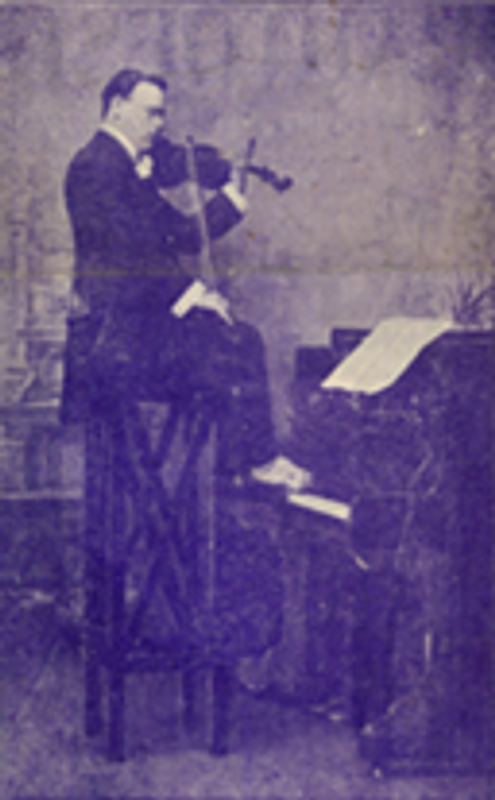
Another Mark William Dearlove (1873-1946) made a name for himself as “Padtoeski” (possibly a play on the name of a popular Polish composer of that era, Ignacy Jan Paderewski), a man who could play two instruments – violin and piano – and sing at the same time. How? As the name suggests, by using his feet to play the piano while sat on a tall stool. One poster for his act described it as “perfect physical culture of ten toes and ten fingers”. No doubt this act both delighted and confused turn of the century concertgoers as another feather in the cap of Dearlove musical achievements.
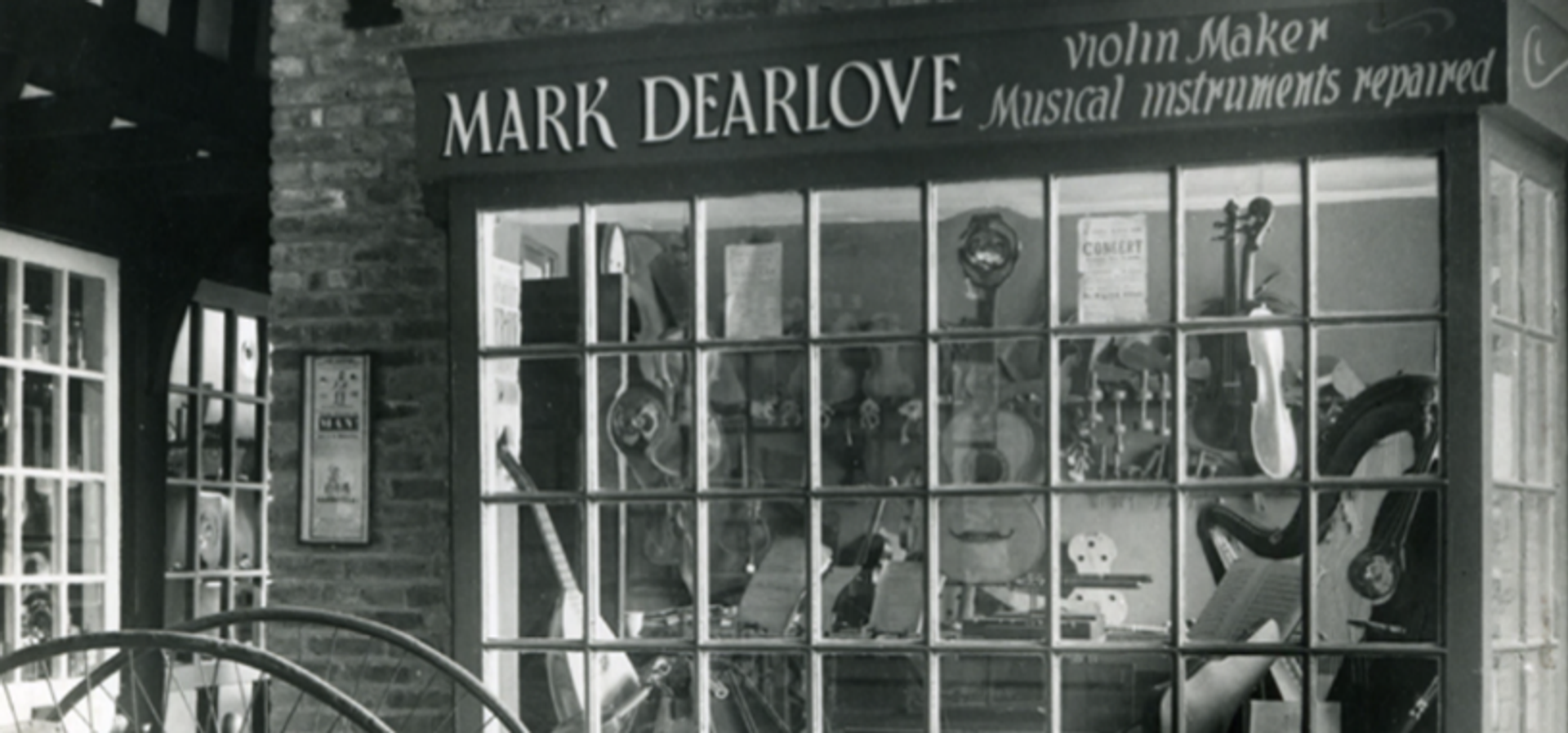
The Dearlove family’s significant presence in Leeds throughout the 19th century as musicians, craftsmen, and shopkeepers is clear from the many newspaper reports praising their concerts, the inclusion of their names in theatre programmes, and generations of adverts for their shop in magazines and periodicals. As such, Abbey House Museum worked with Jack Dearlove to faithfully recreate Mark Dearlove’s shop as part of its new streets during the 1950s.
By Katy Marchant, Collections Placement for In The Picture: Objects in Focus
View more from the Dearlove's in In the Picture: Objects in Focus at Abbey House Museum.