
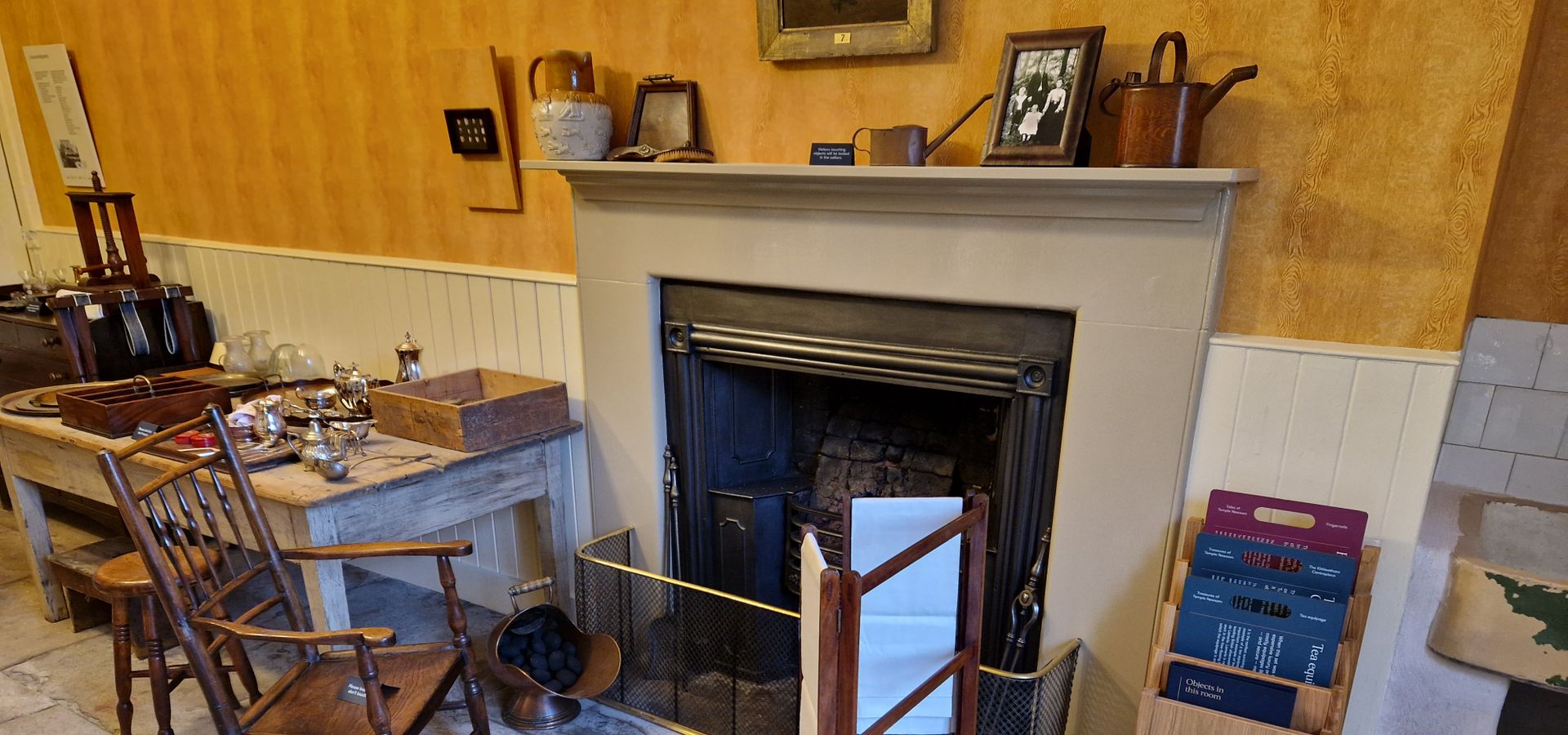
The Butler’s Pantry at Temple Newsam House
The Butler’s Pantry at Temple Newsam House, meticulously restored in 2025, provides a brand-new insight into the integral stories of staff whose tireless, behind-the-scenes work ran the house for hundreds of years. Servant spaces have been historically unappreciated in historic houses, often repurposed for use as storage, offices or classrooms. Temple Newsam’s own Butler’s Pantry was labelled a ‘Guide’s Room’ in the 1930s and became the technicians' workshop in the 1960s. It remained this way until its recent restoration.
The reestablishing of this historic working space is a vital step in the aim to provide a fuller understanding of the functioning of a country house. Without such elements, only one side of Temple Newsam’s story can be told, that of its aristocratic residents, and not its working-class servants.
Temple Newsam’s impressive silver collection also provided additional motivation for the restoration of the Butler’s Pantry. Previously exhibited in a gallery space called the Bullion Rooms, the presentation tired and was inaccessible to wheelchair users. It also lacked a country house context. Butler’s pantries are associated with the cleaning and storage of silver, making the restored space both a fitting and accessible new home for this incredible collection to be seen in the environment which would have housed the historic Ingram family silver collection.
Sink Restoration
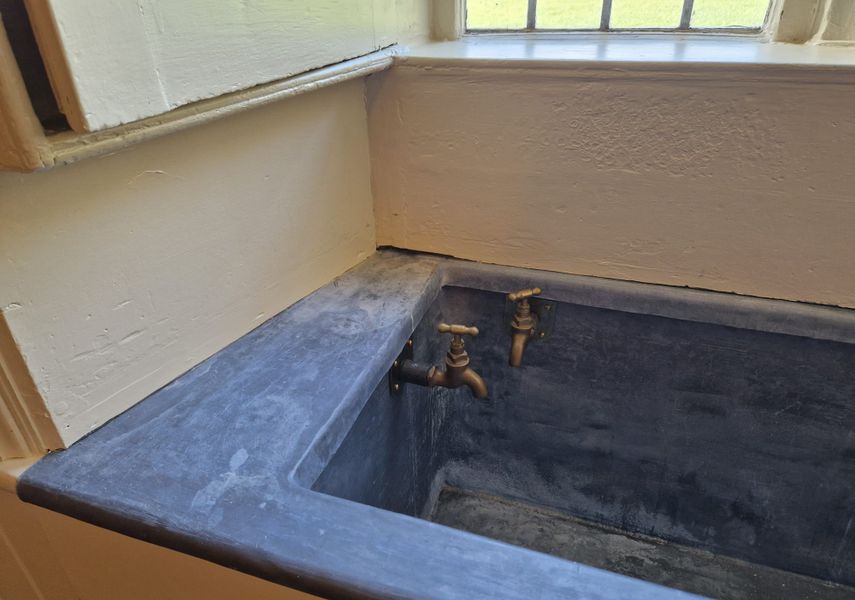
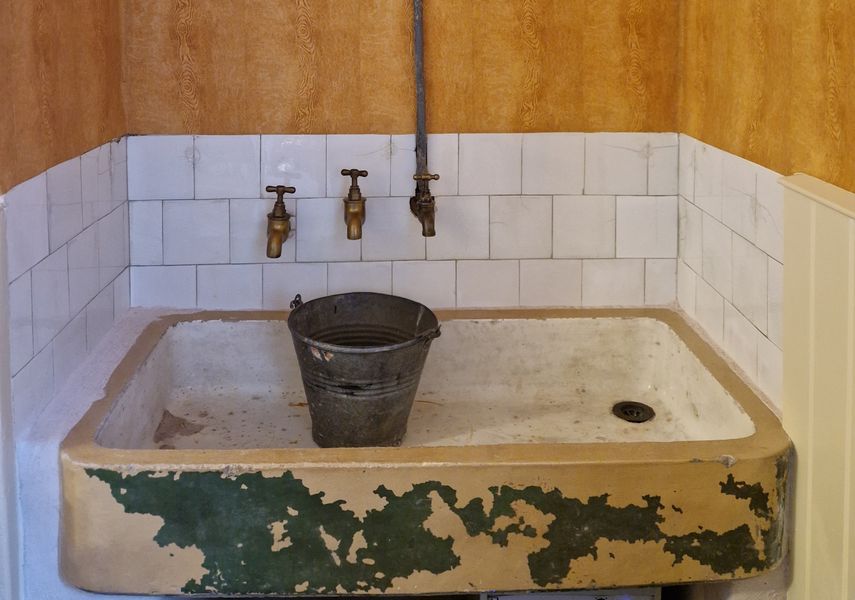
A 1913 drainage plan revealed that the pantry originally had two sinks. The first, a lead sink in the window bay, was replaced in the 1980s with a Belfast sink, and the second, a ceramic sink in the south-west corner alcove, was replaced with a desk. Lead sinks were common in butler’s pantries due to their softness, which protected delicate items when washing. During the restoration, it was discovered that much of the original lead sink had survived – the newer Belfast sink had been inserted into the older structure. Furniture Conservator Ian Fraser carefully reconstructed the original sink, seamlessly blending old and new.
The Butler’s Bed
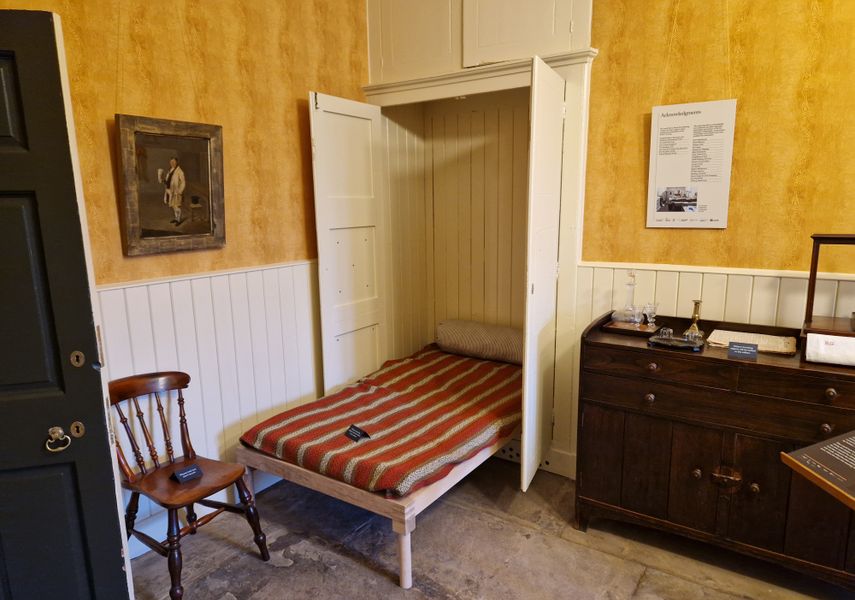
The restoration also involved the addition of a fold-up bed, installed in a surviving cupboard in the south-east corner of the room. This inclusion was inspired by an oral account of a Mrs White, born in 1902 at the North Lodges. White was the daughter of George Hearn, Butler to the owners of Temple Newsam, Mrs Meynell Ingram and later Edward Wood. White herself later became Under Nanny at the house and recalled that her father had a fold-up bed installed in the cupboard. This allowed him to stay overnight when working late and thus avoid the long walk across the park in the dark. Unlike other features, there were no physical clues to its configuration, but as this is the only account of the room as a butler’s pantry, the team wished to honour this memory as a tangible feature.
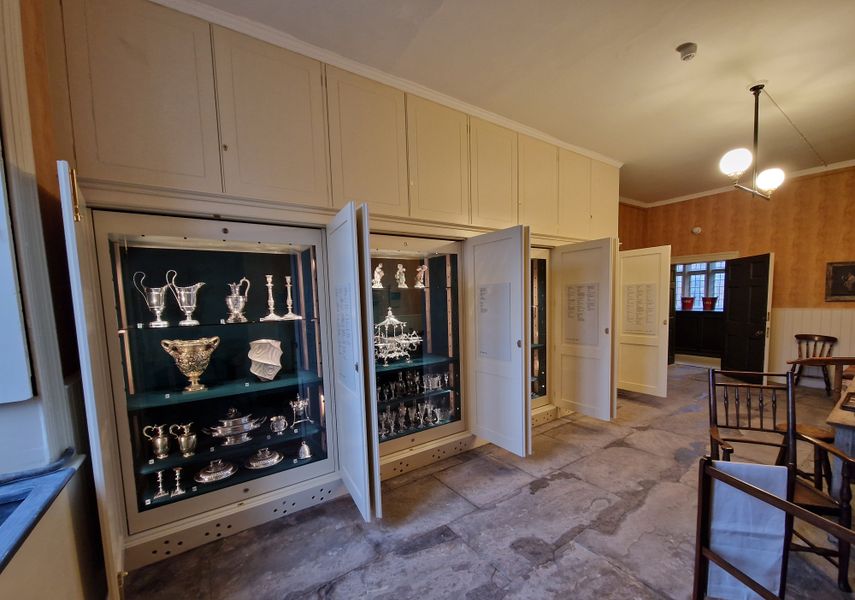
Plate Closet and Silver Display
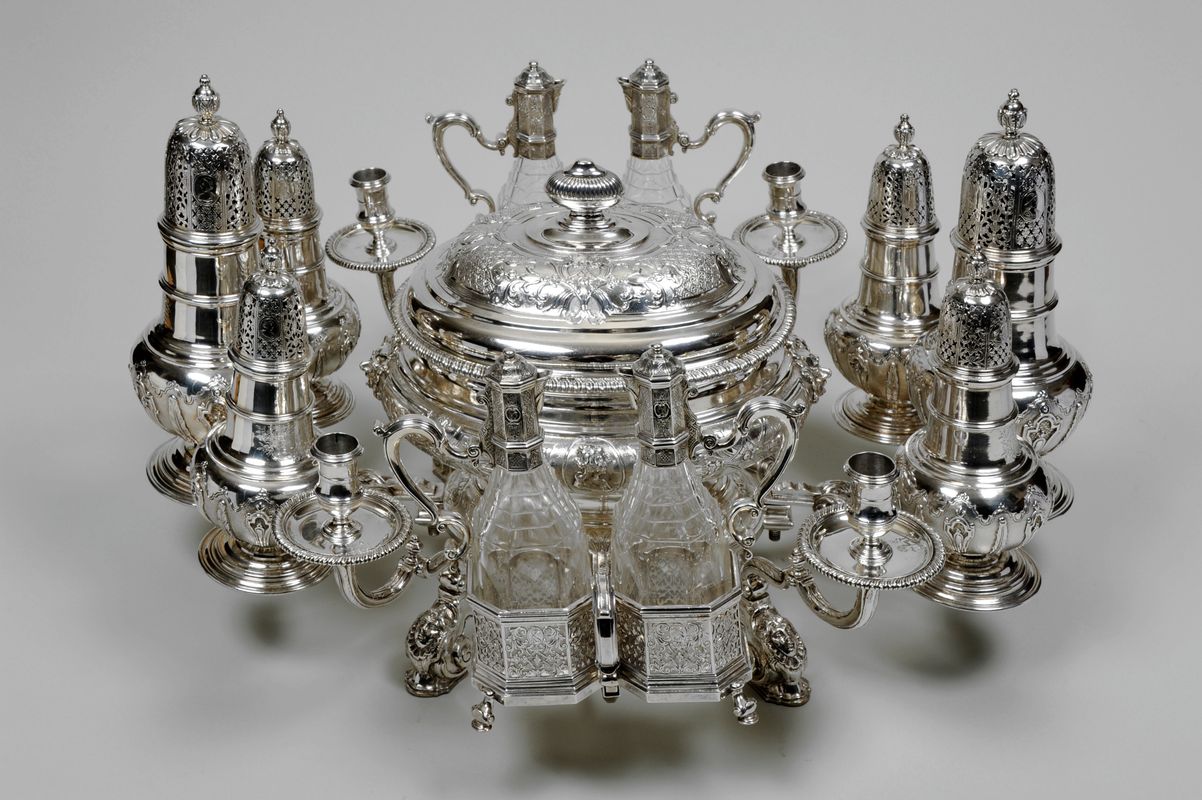
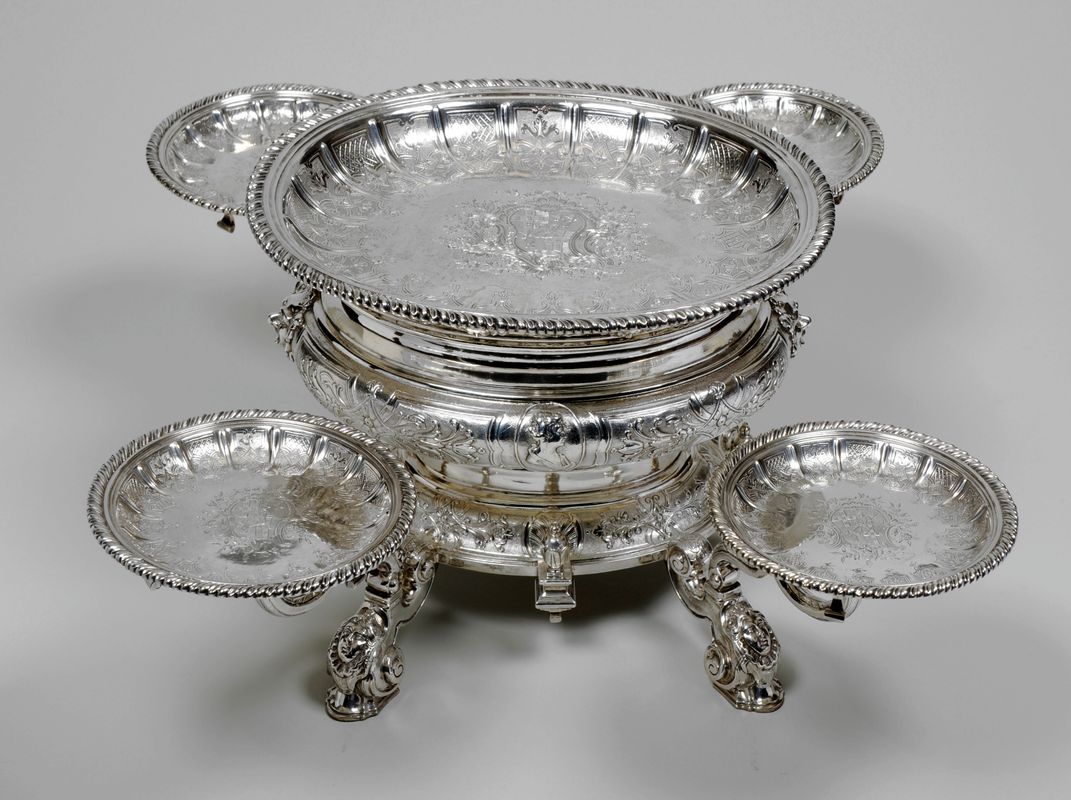
The pantry also features an adjoining plate closet, shown on the 1850s floorplan, where silver was traditionally stored. Today silver has been returned to this space, in a full display arranged by function, reflecting its original purpose. This has allowed all of Temple Newsam’s remarkable collection of antique British silverware, much of which was previously in storage, to be on display. The collection includes the breathtaking Kirkleatham Centrepiece, made by Anne Tanqueray and David Willuame II in 1731. Made of a huge number of components, it can be configured in different ways, to be used as either a fruit stand at dinner or for stews and ragouts at more informal supper. Another star object is the earliest surviving complete example of a tea equipage. Made in 1735, when tea was an expensive luxury, it is an important example of the work of the leading British silversmith of the day, Paul de Lamerie.
Alongside the silver, new acquisitions have also been made to dress the room. This includes glasses, decanters and ‘Benares’ brass trays, to align the room with a detailed inventory from 1902.
Watch Miriam Hanid talking about The Kirkleatham Centrepiece on Youtube.
Contemporary Collecting
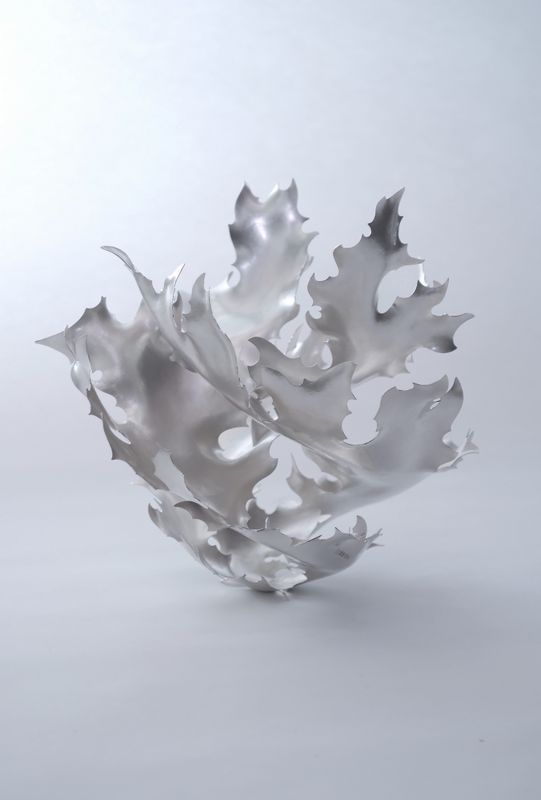
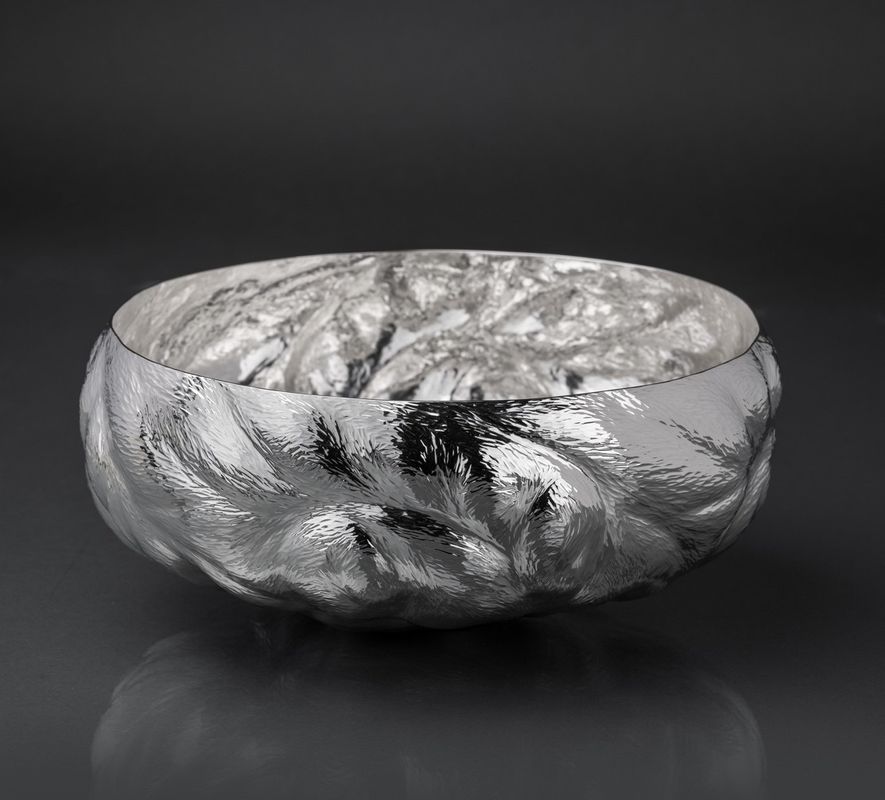
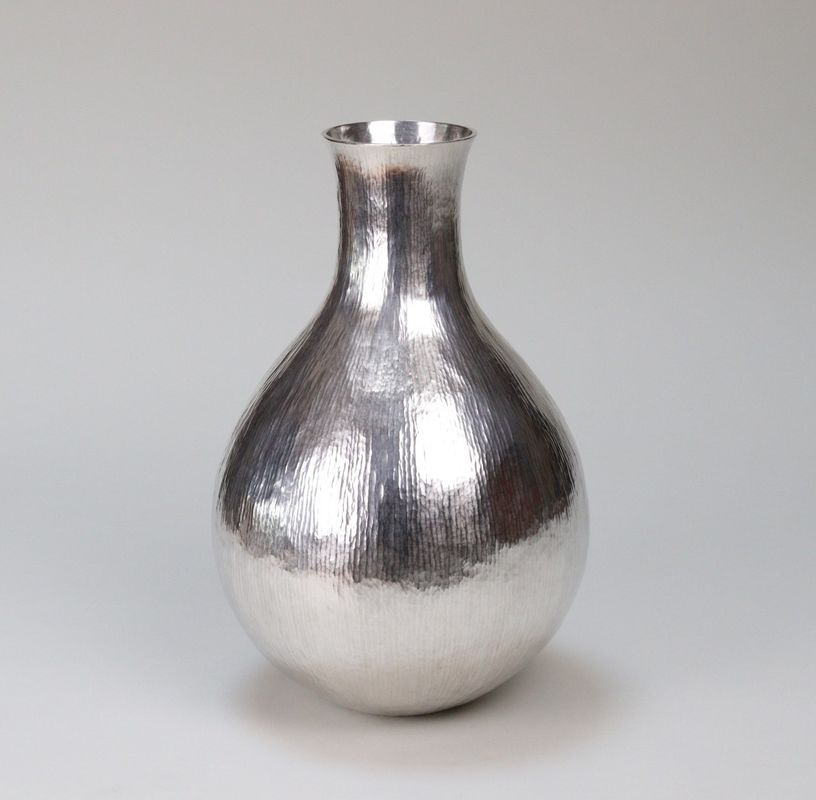
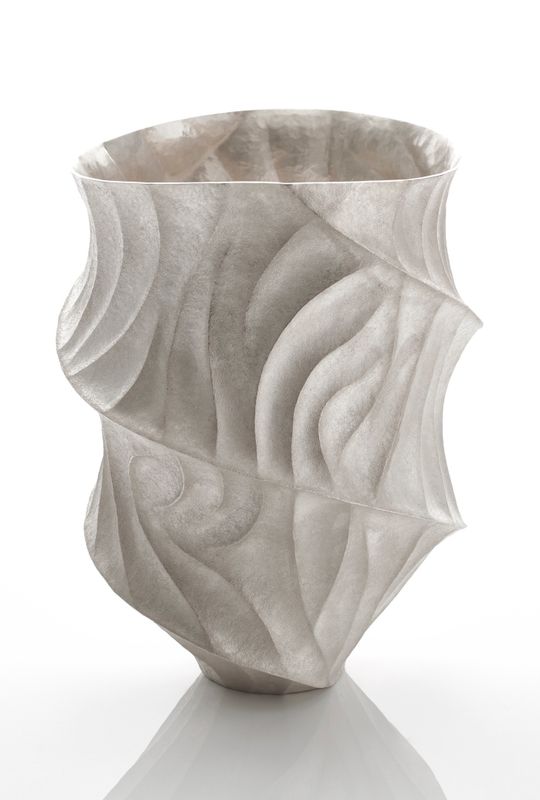
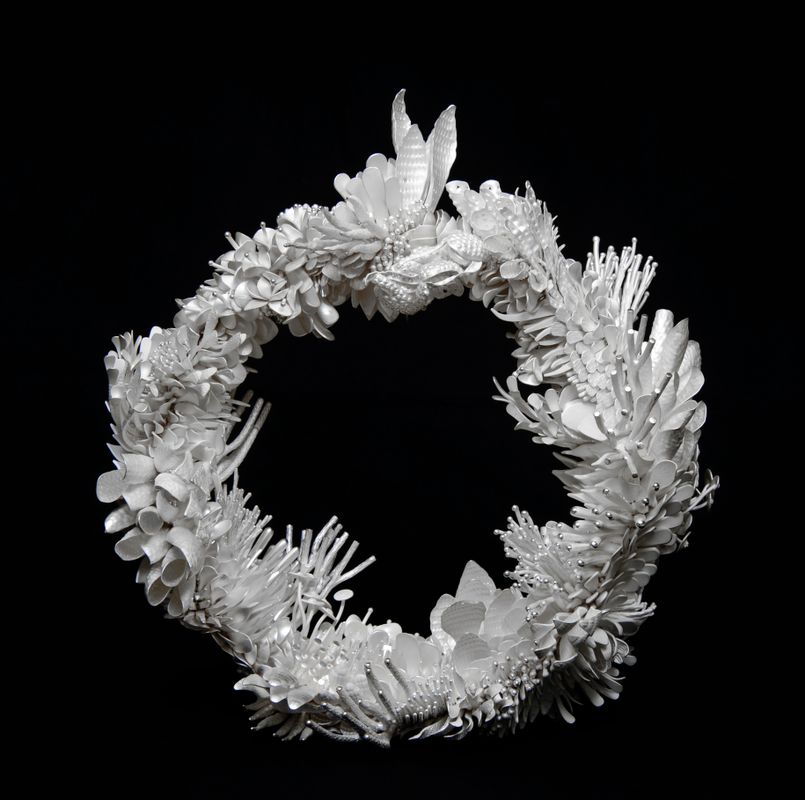
Recent acquisitions of contemporary silver pieces also feature in the new displays. Leading silversmiths working in Britain today are showcased, including works by Junko Mori, William Lee, Shinta Nakajima and Hiroshi Suzuki. In 2027, these will be joined by a bowl by Ndidi Ekubia and new commissions from Miriam Hanid and Yusuke Yamamoto. Their inclusion allows a dialogue between historic masterpieces and their contemporary counterparts.
 Zoom in
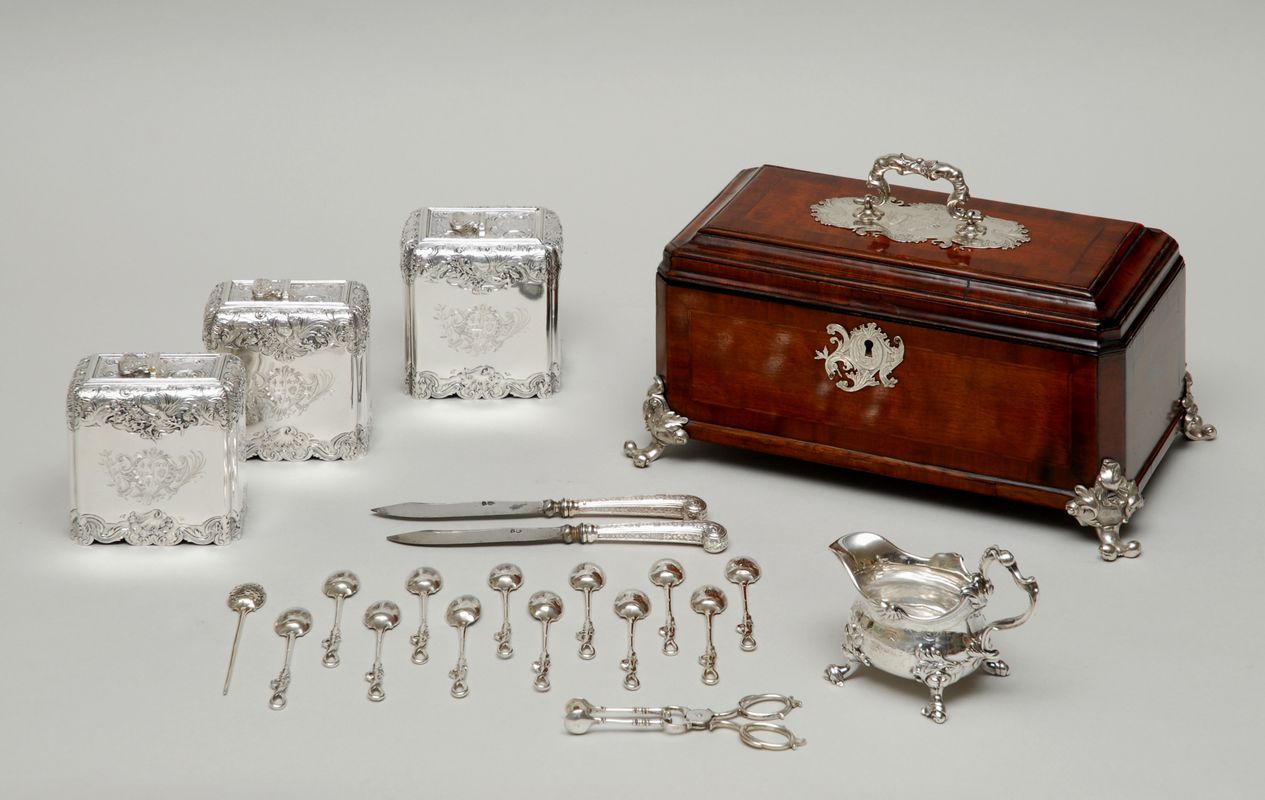
The newly restored Butler’s Pantry is now open to the public as part of the main route through Temple Newsam. This impressive project celebrates the story of staff through the ages and provides a fuller picture of how the house functioned.
Book tickets and plan your visit to Temple Newsam
Leeds Museums and Galleries received support from several funders, such as the Wolfson Foundation’s Museums and Galleries Improvement Fun and the Leeds Art Fund.