
Steam Trams in Leeds
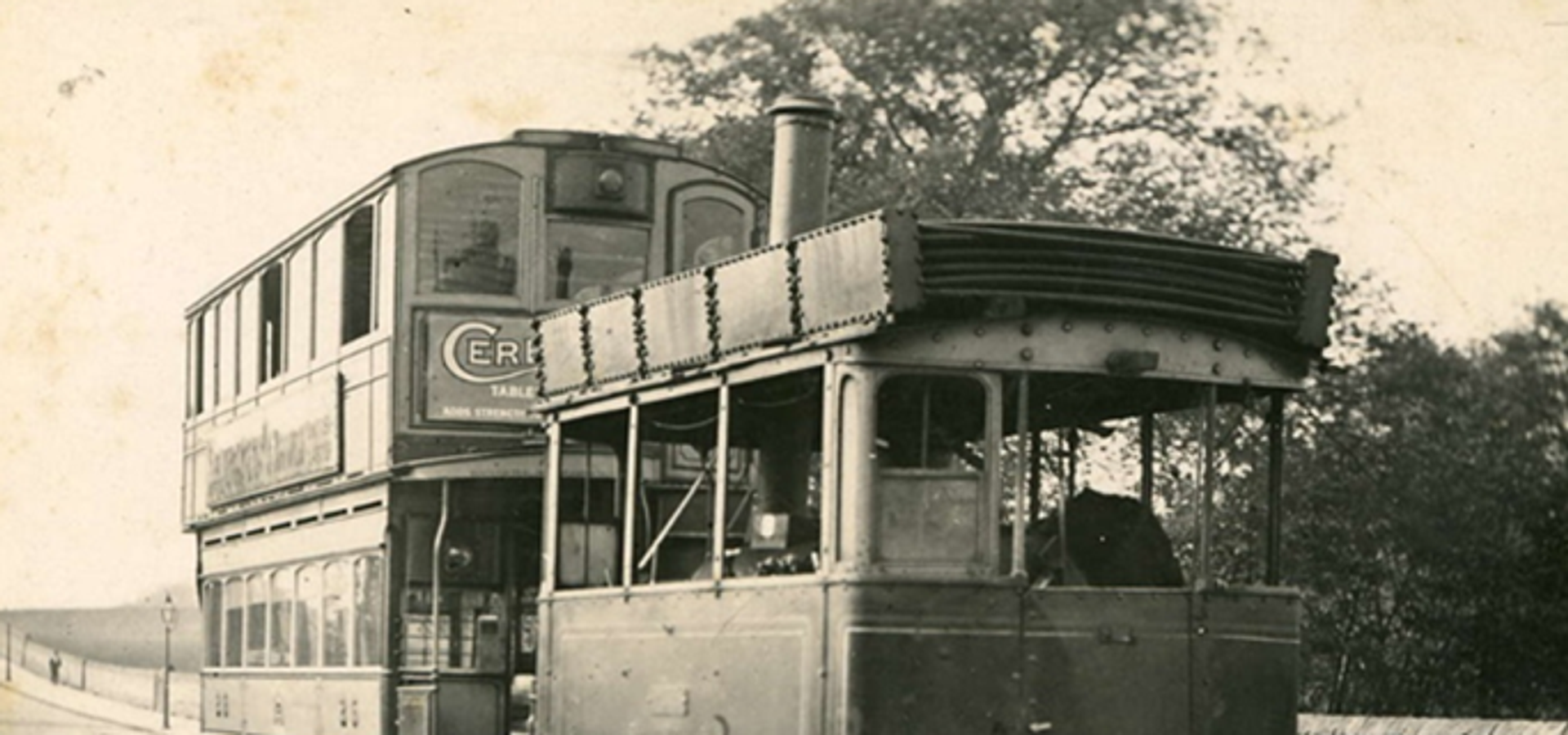
Trams used to be a common sight across Leeds, hauling just about anything that needed to be moved through, or about Leeds. Yet, what you might not know is that for some time steam-powered trams were used as a precursor to the widespread adoption of electric trams.
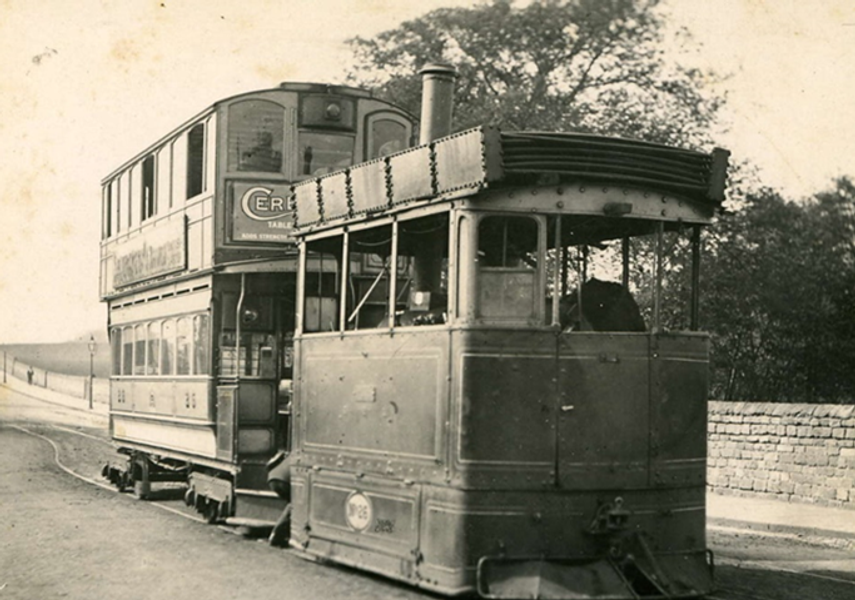
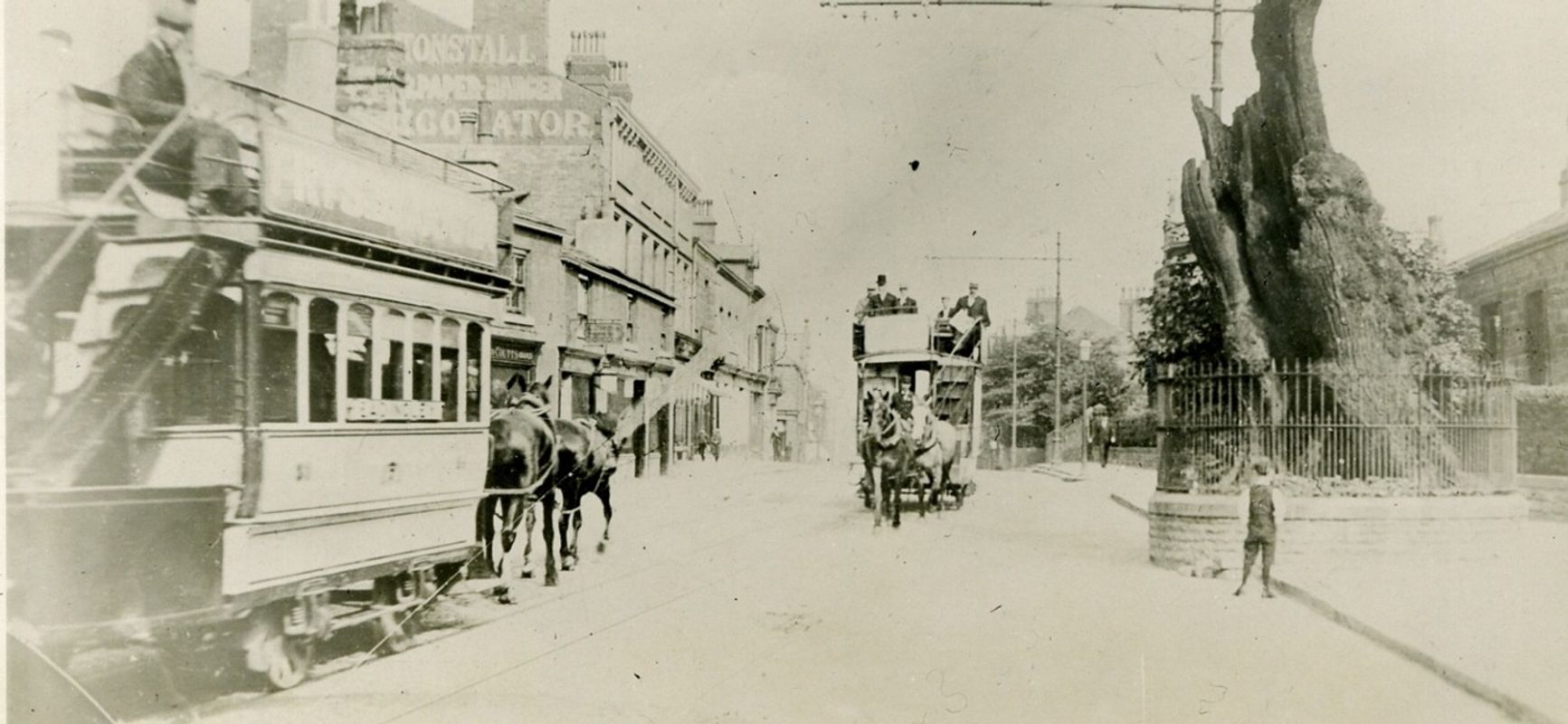
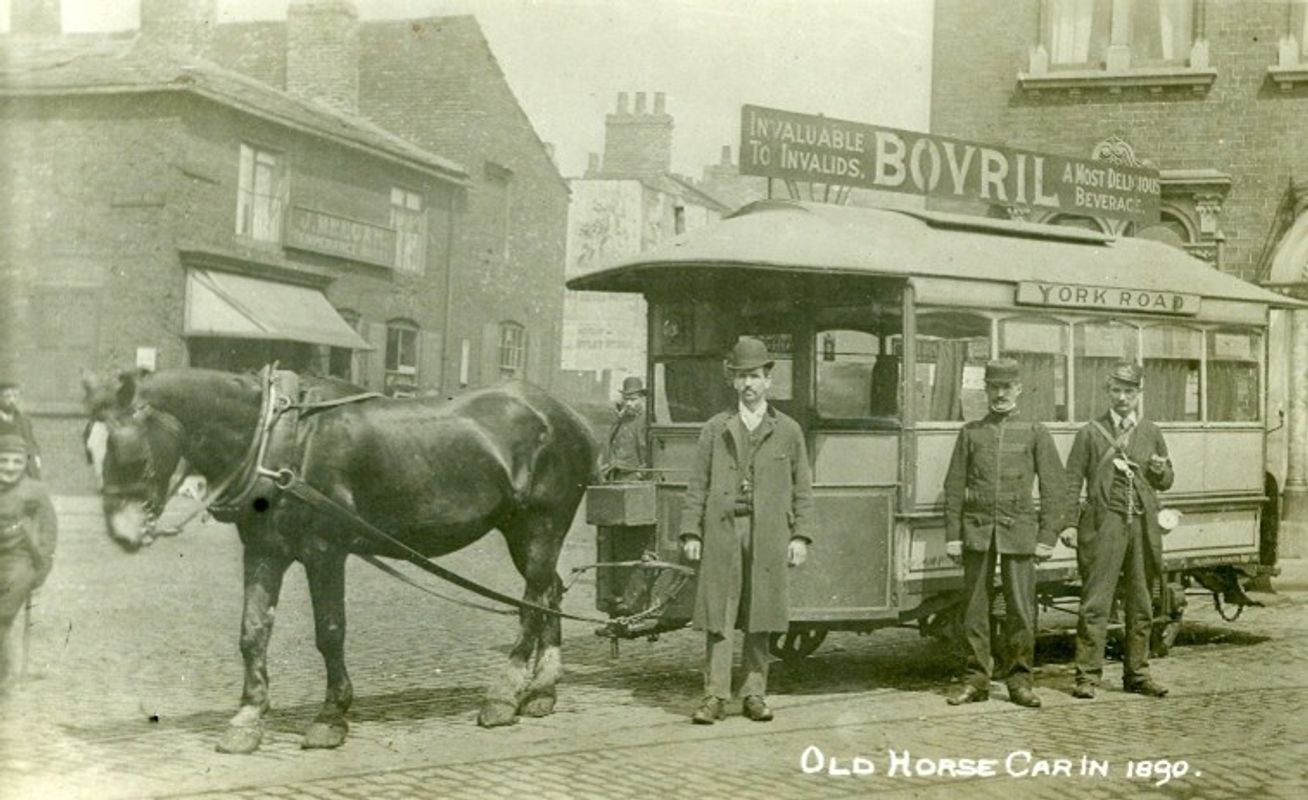
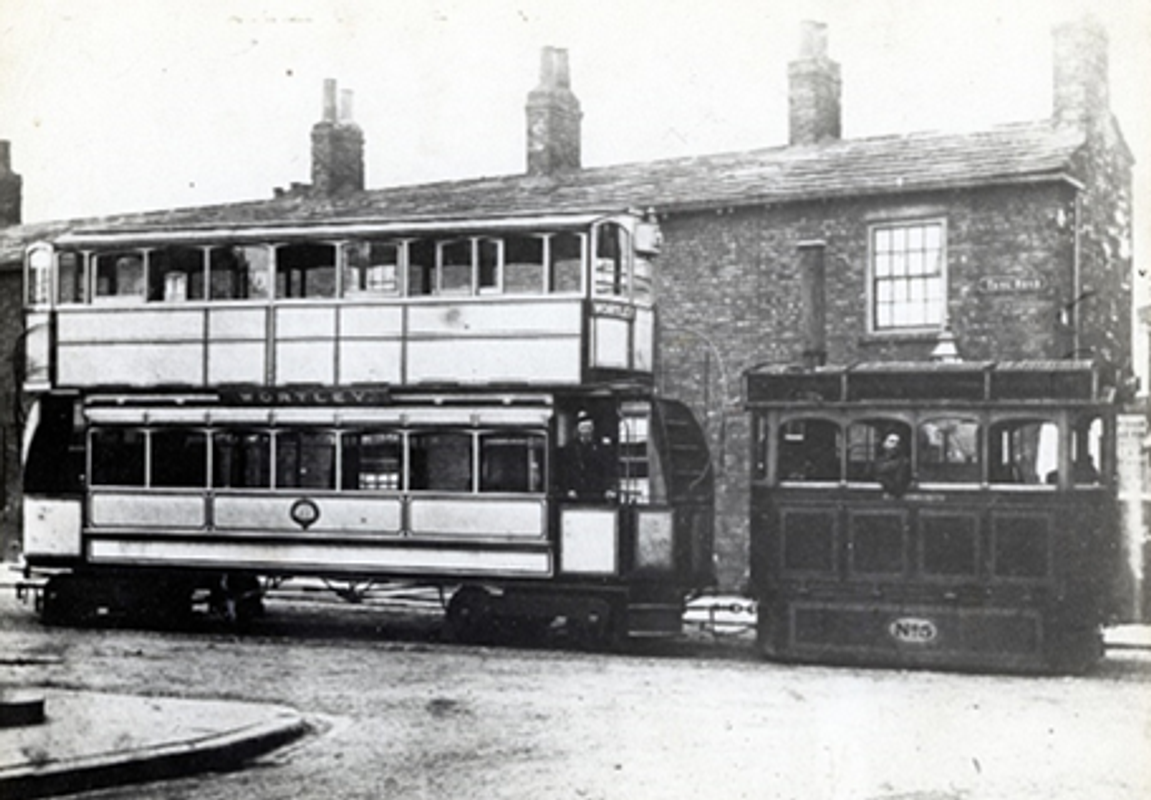
This photograph shows a steam tram operated by Leeds City Tramways in 1910. Steam trams were pioneered by the Leeds firm of Kitson and Co. from 1878. The earliest in Leeds were horse-drawn. Electric trams began to be introduced from 1891 and had replaced horse drawn trams by the 1900s, but steam trams ran alongside them until the network was fully electrified.
– Kitty Ross, Curator of Social History at Leeds Museums and Galleries
As a precursor to the widespread adoption of electrified trams – which use electric from overhead power lines to feed electric motors – steam was used as an intermediate to replace horses as the main form of propulsion. Steam-power offered many advantages over using horses, but the primary one was that they were able to pull more weight and thus more passengers. Also, it goes without saying that they did not need to go the toilet several times a day, improving street cleanliness.
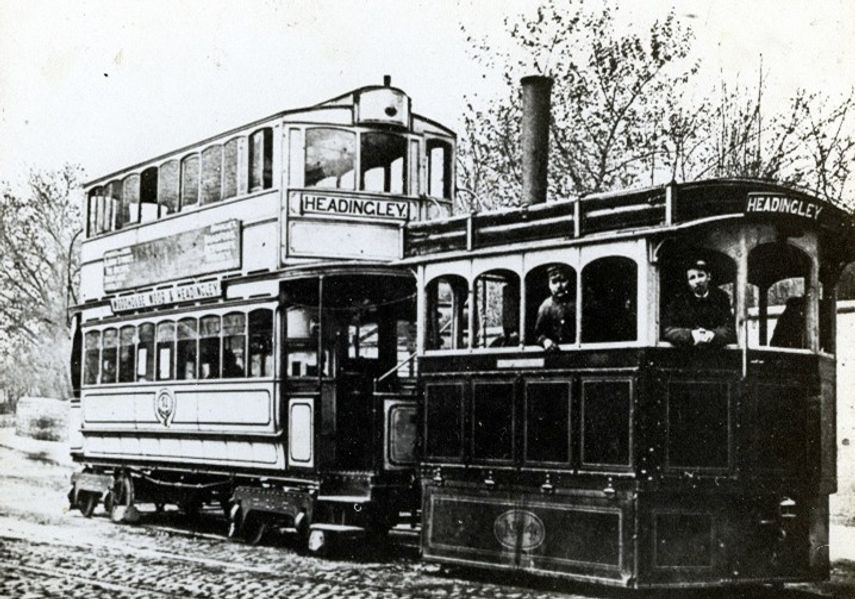
By the mid-1880s steam trams ran along the lines to Headingley, Wortley, and Kirstall moving hundreds of people every single day. In fact, various engineering firms in Leeds produced these steam trams for tramways across the country. Including Smithfield Ironworks on North Street, Airedale Foundry off Pearson Street, Boyne Engine Works on Jack Lane, and John Fowler and Company also off Pearson Street. Unfortunately, most of these former works have been demolished with the notable exception of Smithfield Ironworks which was converted into the offices and is now home to the Basis Yorkshire charity.
Yet steam tram engines did not last long in Leeds. By the late 1880s their use was in decline, and a Board of Trade inspector actually banned steam tram engines on the Headingley Line due to the damage they caused the track. Then in 1890, Leeds built the first electrically operated public tram in Britain, marking the beginning of the end for the remaining steam trams in the city.
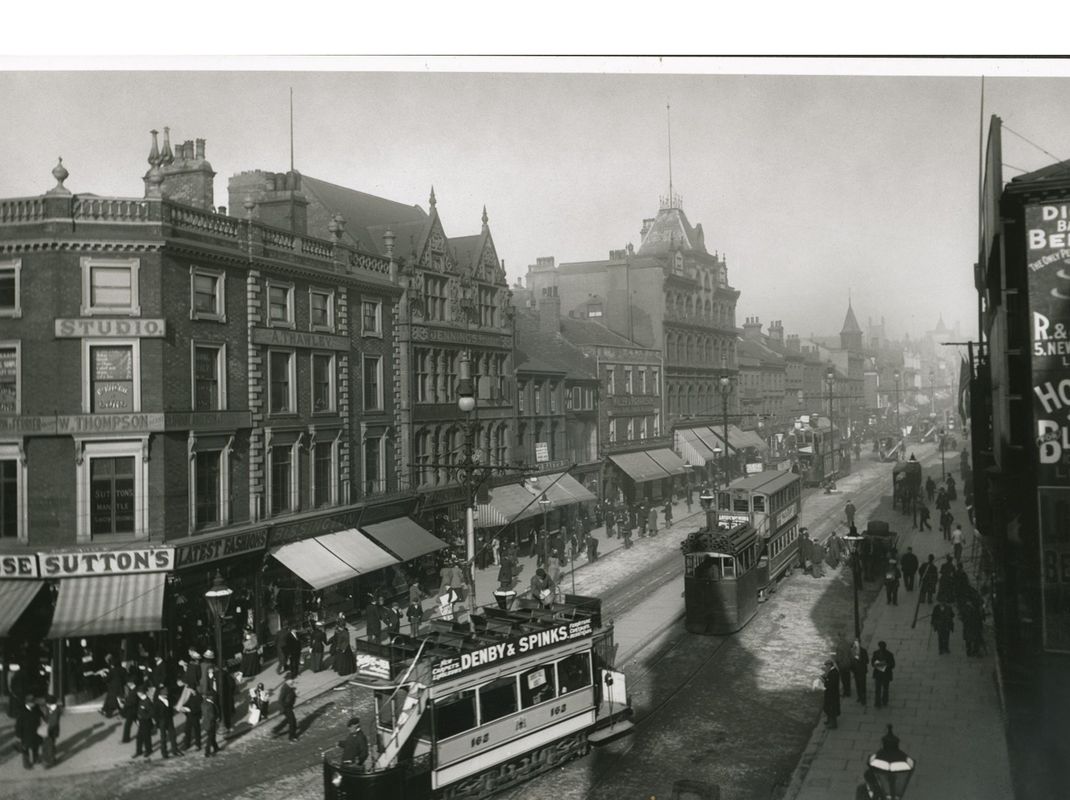
Across the country electrification became the norm, and by 1901 the entire tramway network in Leeds was electric. Though, with electrification, tram usage in Leeds and around the country surged leading to new lines opening in the city.
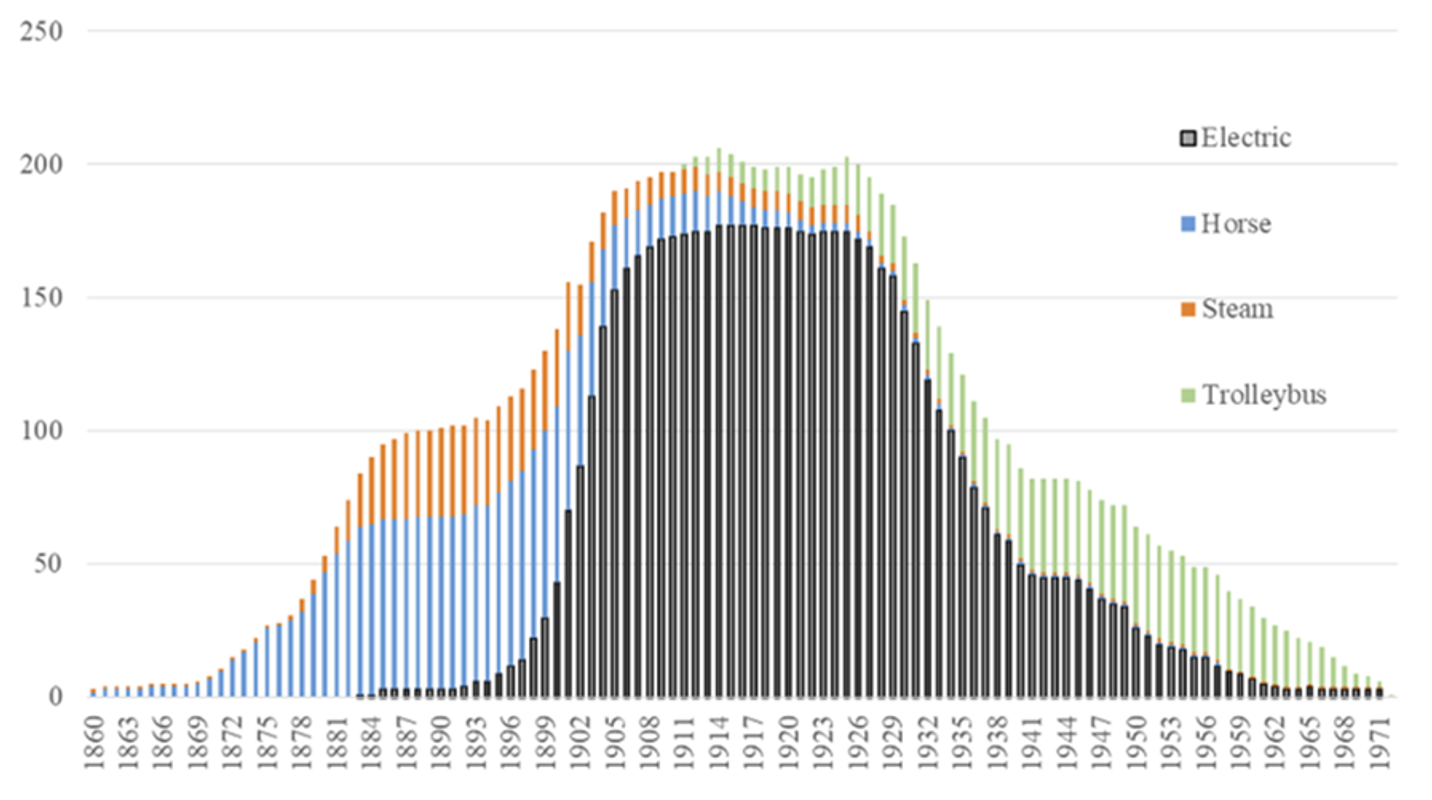
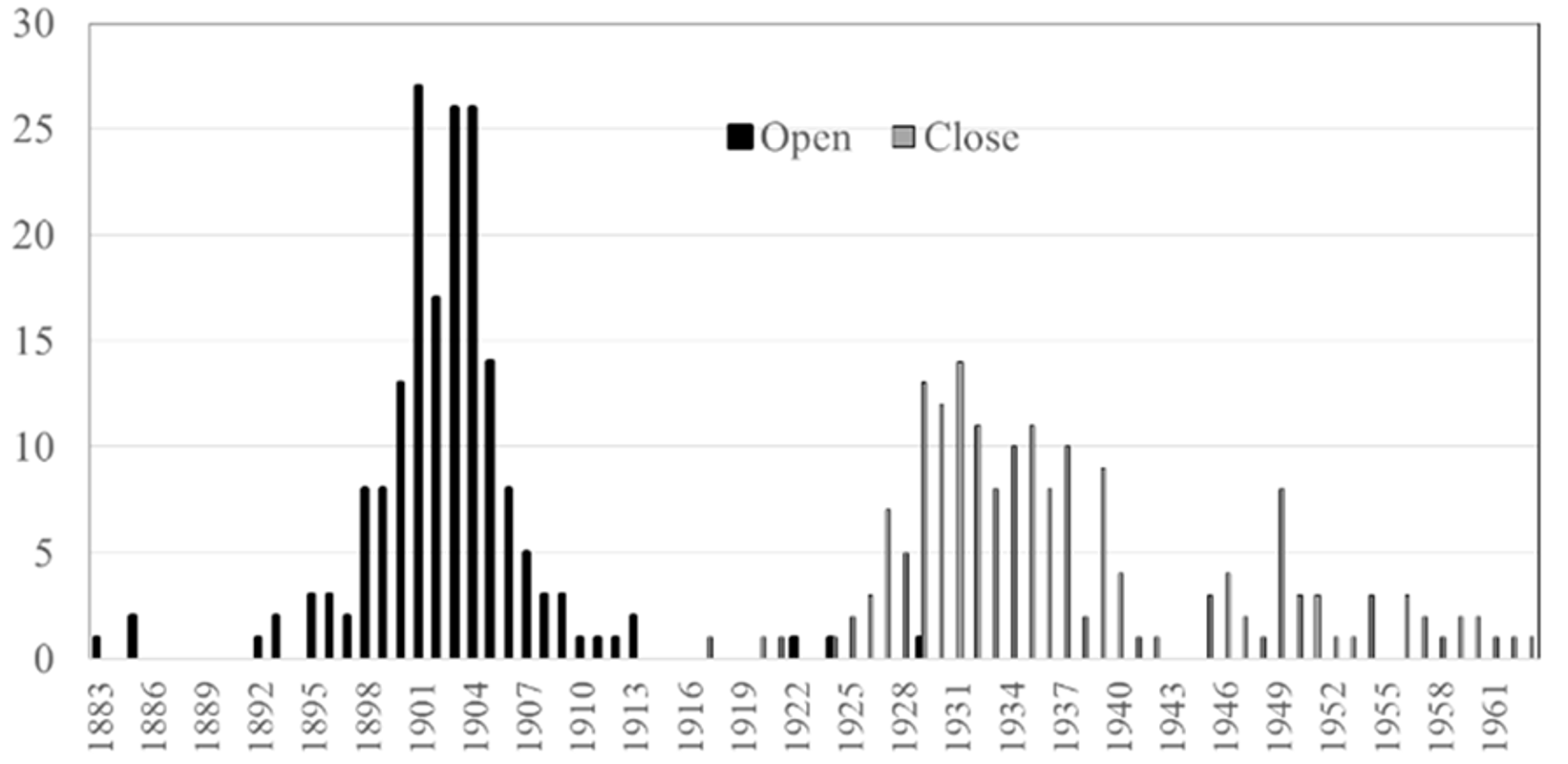
Yet by 1902 electric trams became dominant across the United Kingdom, and steam trams faded into obscurity. The manufacturers in Leeds refocused on other steam powered products including trains, thrashing machines, lawn mowers, and road rollers. While their time was brief, it is still a notable footnote in the evolution of Leeds and how we get around the city.
By Euan Reed-Griffiths, Preservative Party Member
BBC News (2024) Leeds: Manning Wardle’s Works Offices in Hunslet to Become Music Venue [Online]. BBC News. Available from: <https://www.bbc.co.uk/news/articles/ck55k467gl7o> [Accessed 13 March 2026].
Bishop, G. W. (1928) Steam Tramways in the British Isles. The Railway and Locomotive Historical Society Bulletin, (17), pp. 5–6.
Dickinson, G. C. (1960) The Development of Suburban Road Passenger Transport in Leeds, 1840-95. The Journal of Transport History, 4 (4) November, pp. 214–224.
Leeds Engine Builders (n.d.) A Brief History of Thomas Green & Son Ltd [Online]. Leeds Engine Builders. Available from: <https://www.leedsengine.info/leeds/histtg.asp> [Accessed 13 March 2026].
Leeds Libraries (2015) Lines Around Leeds. The Secret Library | Leeds Libraries Heritage Blog, 3 July [Online blog]. Available from: <https://secretlibraryleeds.net/2015/07/03/lines-around-leeds/> [Accessed 13 March 2026].
PARSONS, R., WOODS, E., GREGORY, S. C., RUSSELL, N., HARRIS, H., SELFE, N., COTTON, F., KINCAID, J., PRITCHARD, E. and CRAMPTON, T. (1885) DISCUSSION. STEAM-TRAMWAYS. vol. 79. Thomas Telford-ICE Virtual Library, pp. 128–184.
Science Museum Group Collection (1840) T Green & Son Ltd [Online]. Science Museum Group Collection. Available from: <https://collection.sciencemuseumgroup.org.uk/people/cp20553/t-green-son-ltd> [Accessed 13 March 2026].
Smith, R. (2021) Observations on Electric Vehicle’s First Hurrah: Horse, Steam and Electric Tram Technology Adoption Rates in the UK 1860s to 1960s.