
Dressed to Serve: Exploring 18th Century Livery at Temple Newsam
This series of blog posts so far have focused on our initial research into the Temple Newsam archival documents at the West Yorkshire Archives, as well as textiles used to within the Temple Newsam bedrooms. This post looks at servants clothing and what servants at Temple Newsam may have worn in the early 1700s.
Although we do not have photographic evidence of what servants in these stately homes were wearing, documents from the West Yorkshire Archives have highlighted the types of materials that were used, allowing us to paint a mental image of what their uniforms were, including some colours.
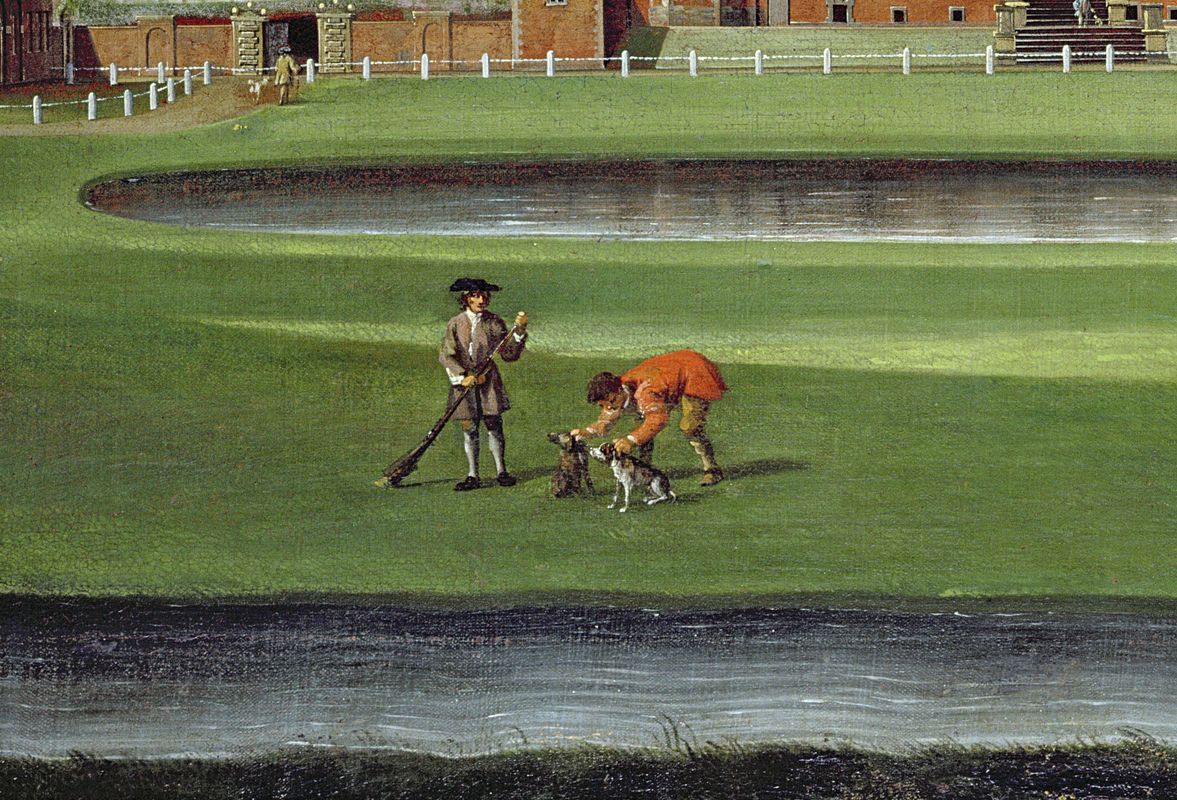
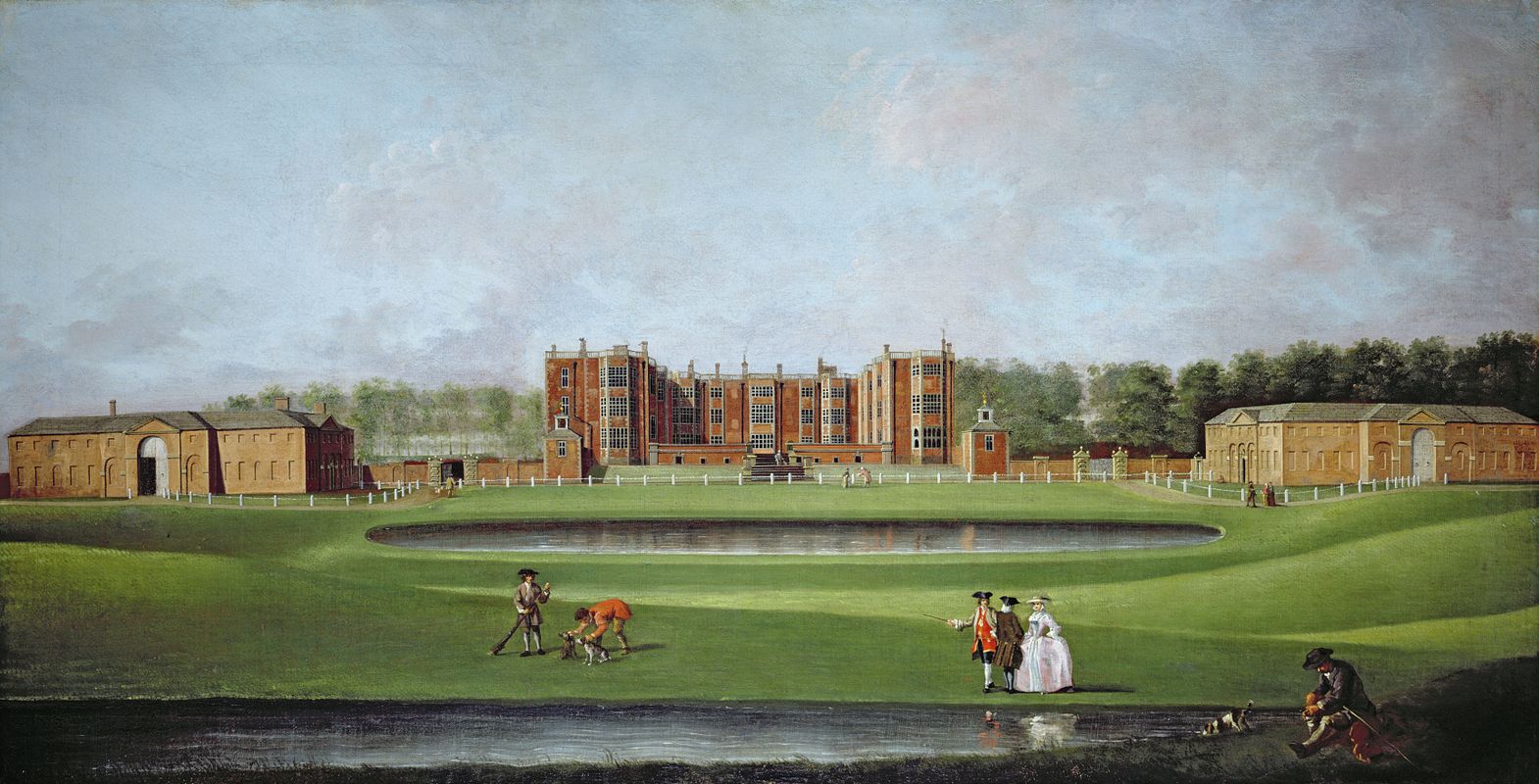
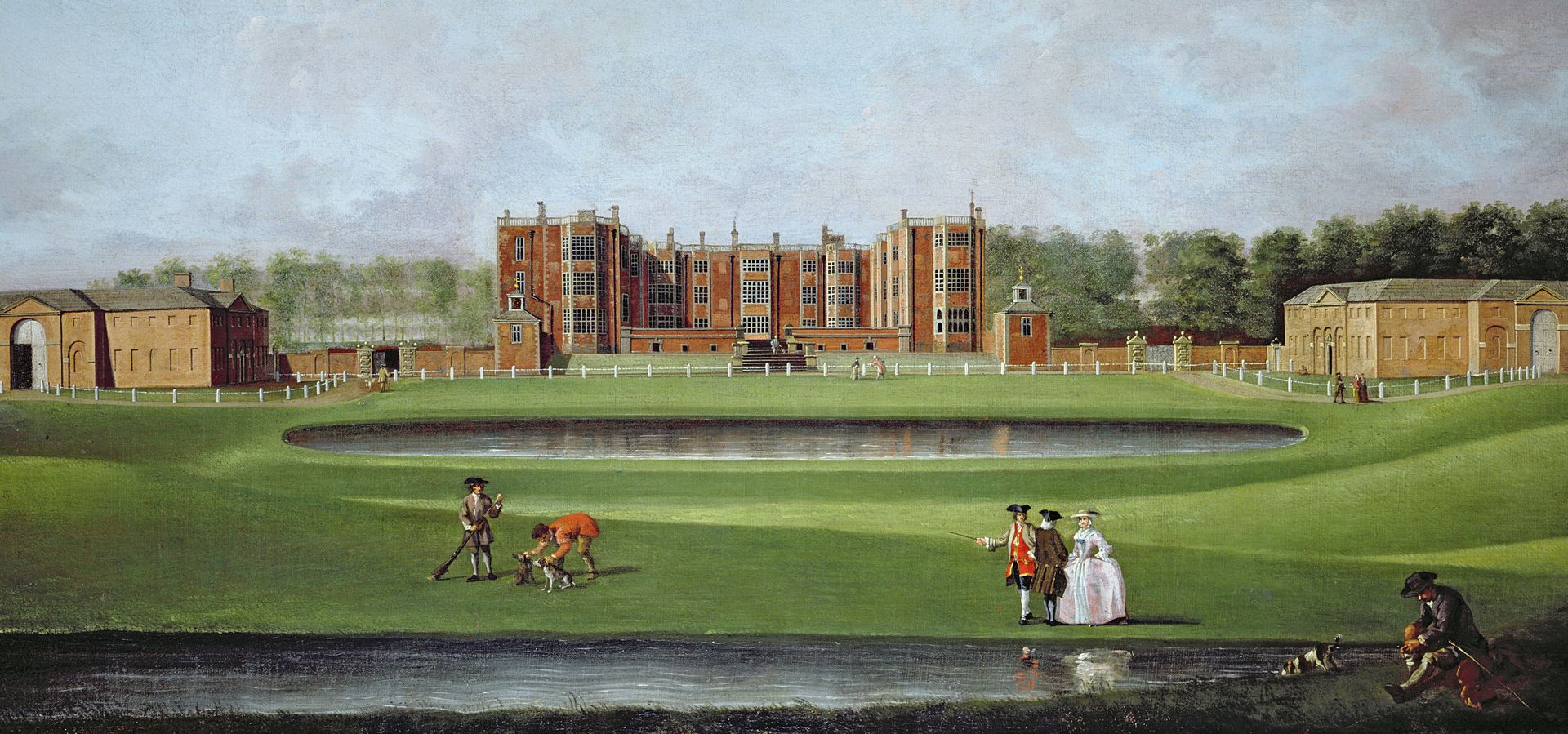
In this view of Temple Newsam House, by Thomas Chapman (d.1768) , there is just a glimpse of a male servant, in the foreground, helping with the dogs as the gentleman reloads his gun for shooting.
In order to understand what made up the uniforms, firstly, it is useful to know some of the terminology used in the 1700’s and what the modern day equivalent is.
The documents at the archives, refer to ‘livery bills’. The term livery is associated with servants and generally the clothing they were in service. Clothing items for a male servants would include: Livery hose – a term that would now refer to breeches/stockings; a shift – a type of loose fitting shirt, shoes and a knee-length coat that was adorned with colours and patterns, usually associated with the family they worked for.
Male servants uniform, not only showed that they were in service, but could also symbolise their employers wealth and status, depending on the textiles and designs used to decorate their uniforms. Many employers added their coats of arms onto expensive fabrics that made up the uniforms, to ensure guests understood their substantial wealth, shown through these uniforms as well through their food, hosting and their homes.
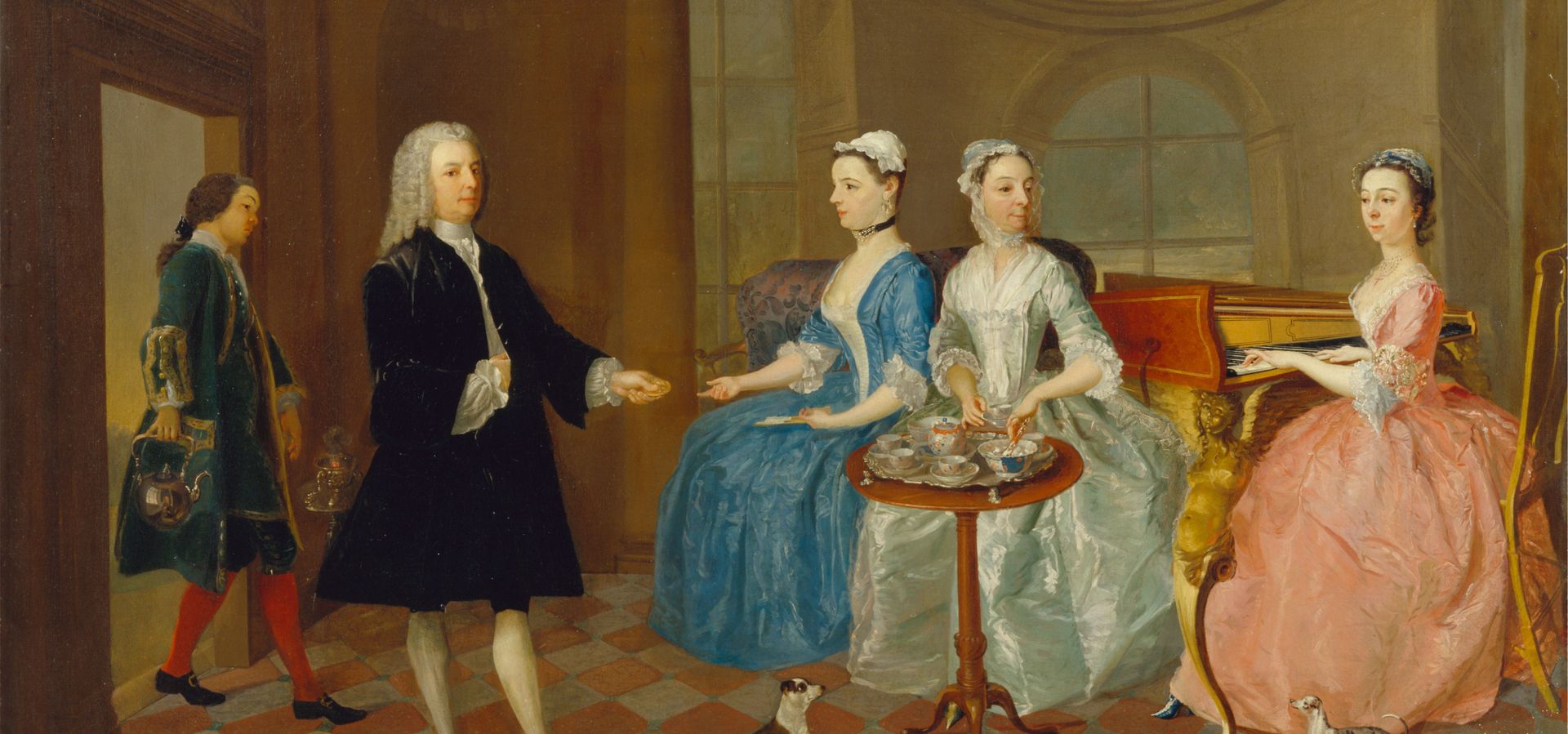
For a female servant, they would have stockings, shoes and usually a dress that was practical and not lavish in most cases, the complete opposite to their male counterparts. Some higher ranked female servants (such as a Lady’s maid) received second hand clothes from their employers when their clothing went out of fashion. This showed the wealth of the house but also that female servants did not need to purchase uniforms in the same manner. Male servant uniforms also were updated every so often, in keeping with the different fashions of the time, again to show that the employer had substantial funds to do so but to also reflect the employer’s own fashion and style.
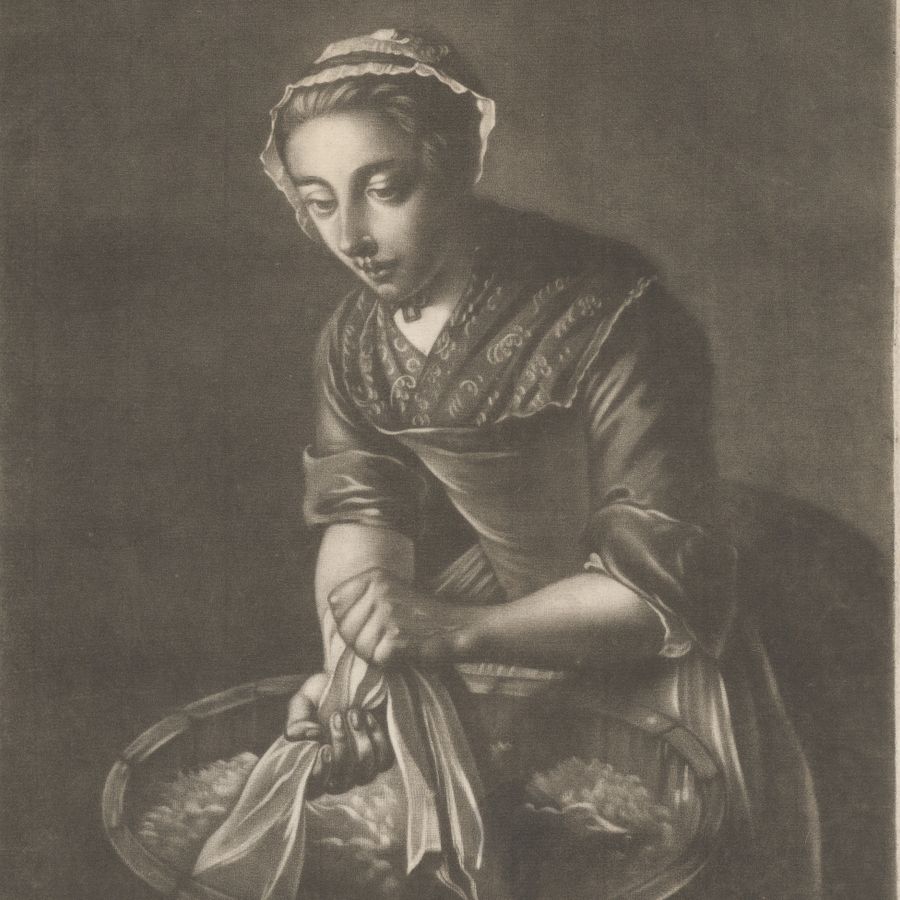
Although, Leeds was a central place for the clothing industry at this time, London was still the epicentre of clothing and trade and many of the homes and families still embarked to the capital city for their clothes. In addition, to this, Nottingham during this period (18th Century) was known for their hosiery and lacemaking, which could have made up parts of the servants liveries at that time for many of the wealthy homes. A bill from the archives shows that the family purchased ‘6 pairs of fine Indian cotton hose’, ‘fine silk’ and ’14 pairs of livery hose’ from a Mr Will Thompson in Nottingham in 1727.
Some of the bills in the archives reference specific tradespeople and their locations. This provides us with so many interesting details of the textile and clothing that were produced for servants. Over a 9 year period, we can see that the family use some tradespeople regularly as well as buying and mending the same type of materials/clothing.
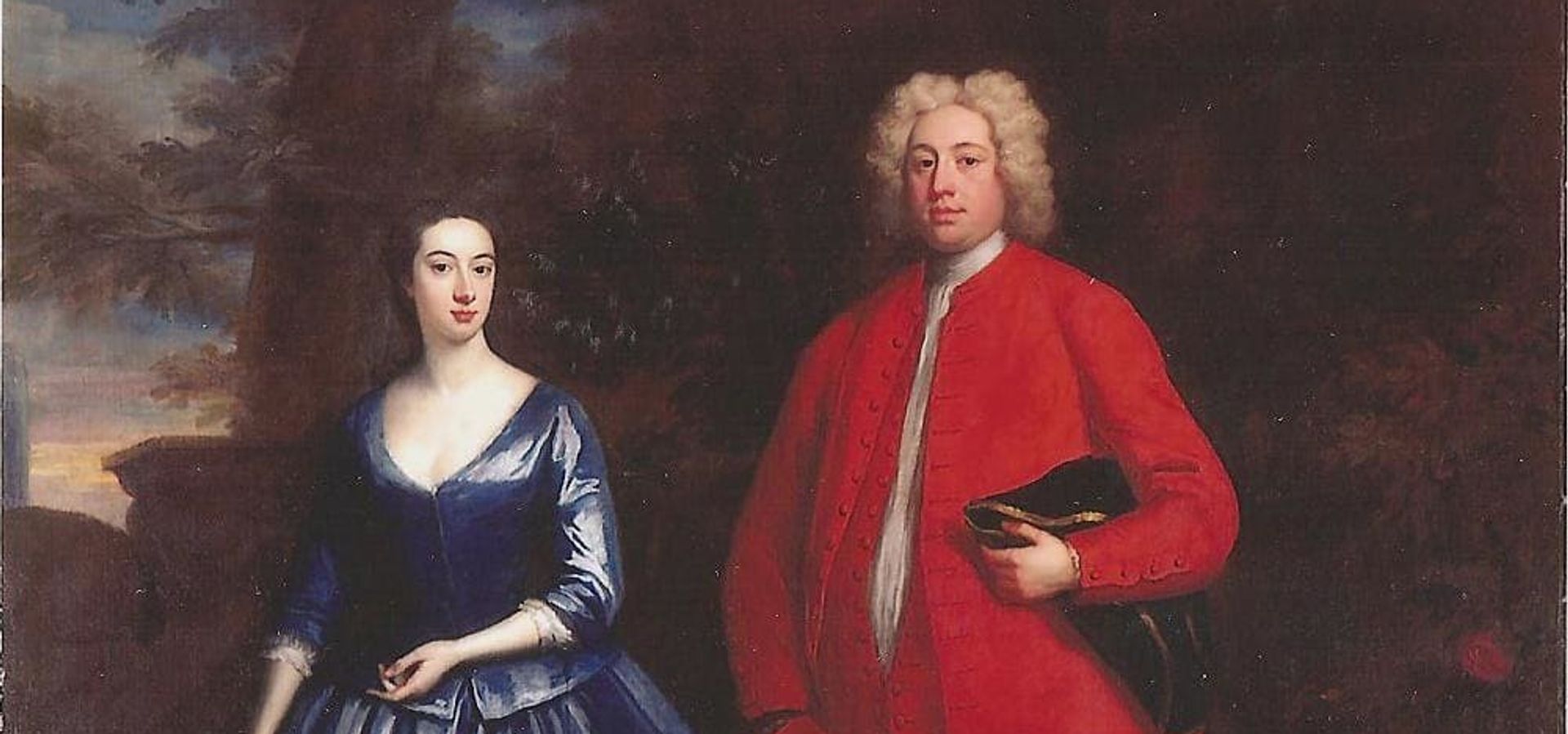
In a 1720 bill, it shows a list of items including a cost ‘for making of 5 rich livery suits’, with ‘rich silver front coate buttons’, a ‘silver crest’, ‘2 long coachmen coats… scarlet and gold collars’. This bill also includes Lord Viscount Irwin’s own clothes, seen here with his wife Anne Howard, in a portrait from about 1718, which hangs in the picture gallery at Temple Newsam. This would suggest that both the family and servants had their clothes made by the same people.
The bill also includes cleaning costs of ‘rich livery great coates and breeches’, the ‘making of red cloth frock’ with ‘a yard of red shalloon and buckram’. Shalloon was a type of twilled wool and buckram an open weave heavy fabric made of cotton or hemp.
We do see some use of tradespeople from London, with regular bills from Henry Hicks in Convent Garden, for ‘livery lace’ (a type of gold braid often used to trim servant uniforms), ‘gold buttons’ in 1720 and then a similar bill in 1721, again showing that they were mending and making liveries for either existing or new servants.
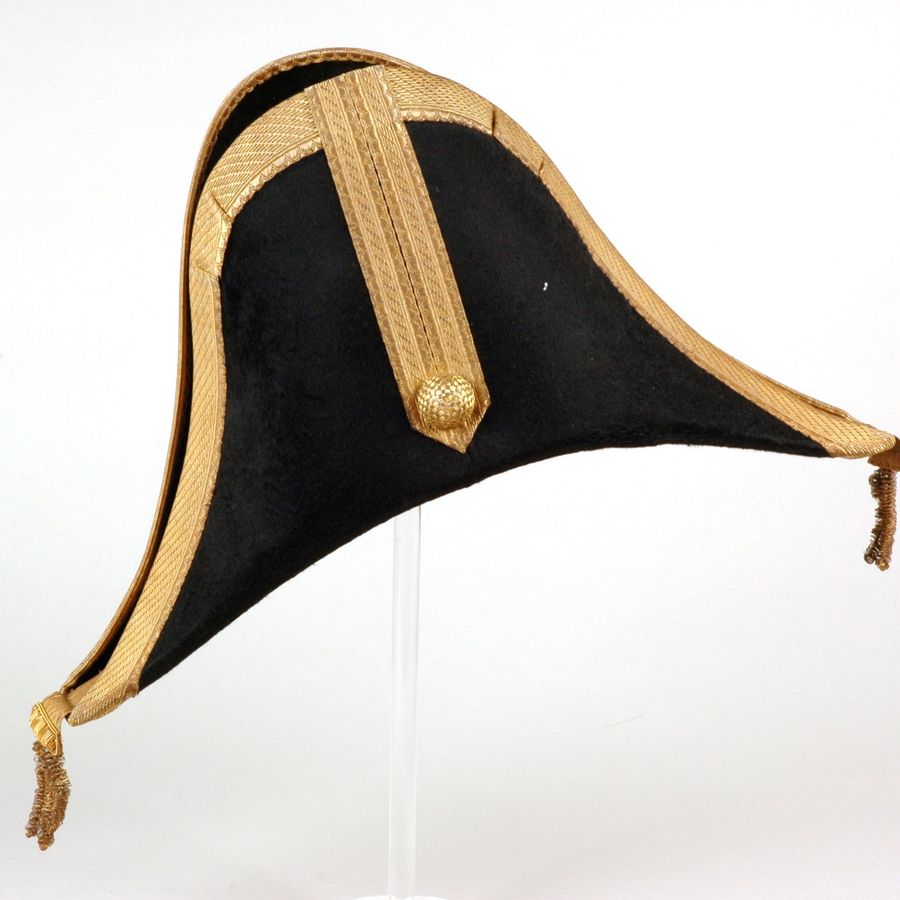
It is interesting to see from the bills at the archive, the colours used for the liveries, including red, blue, gold and silver. A 1724 bill showed the purchase of ‘4 ounces of mohair and 23 yards of blue and coloured shalloon’. In 1727, Johnson Mercer from London listed ‘rich blue genoa velvet’ to the list of materials used. The colours used at the time, especially the use of gold and silver in threads and silks, shows the family’s need to display their wealth in colours that were associated with this tier of society.
The archival documents have highlighted several fascinating points about servant liveries from the early 1700s – that all the bills were for the male servants, rather than female. This is because male servants were footmen and butlers and therefore, were often greeting guests and working upstairs, where guests could see them and their uniforms needed to reflect the family’s wealth. The documents also show the specific fabric ordered to make the liveries, as well as how they were maintained. Many of the liveries were outsourced to London, where the family’s clothes were also made rather than locally, despite the clothing trade industry in Leeds. Was this to do with the fashion of the time and London being the capital, and therefore, purchasing garments made from ‘high end’ places so that people could know where they came from?'.
For further reading go to History in the details: Servants' Livery - Discover Your Ancestors - A brief history by costume and picture expert Jayne Shrimpton
By Alex Koupis – Temple Newsam archives and textile project volunteer