
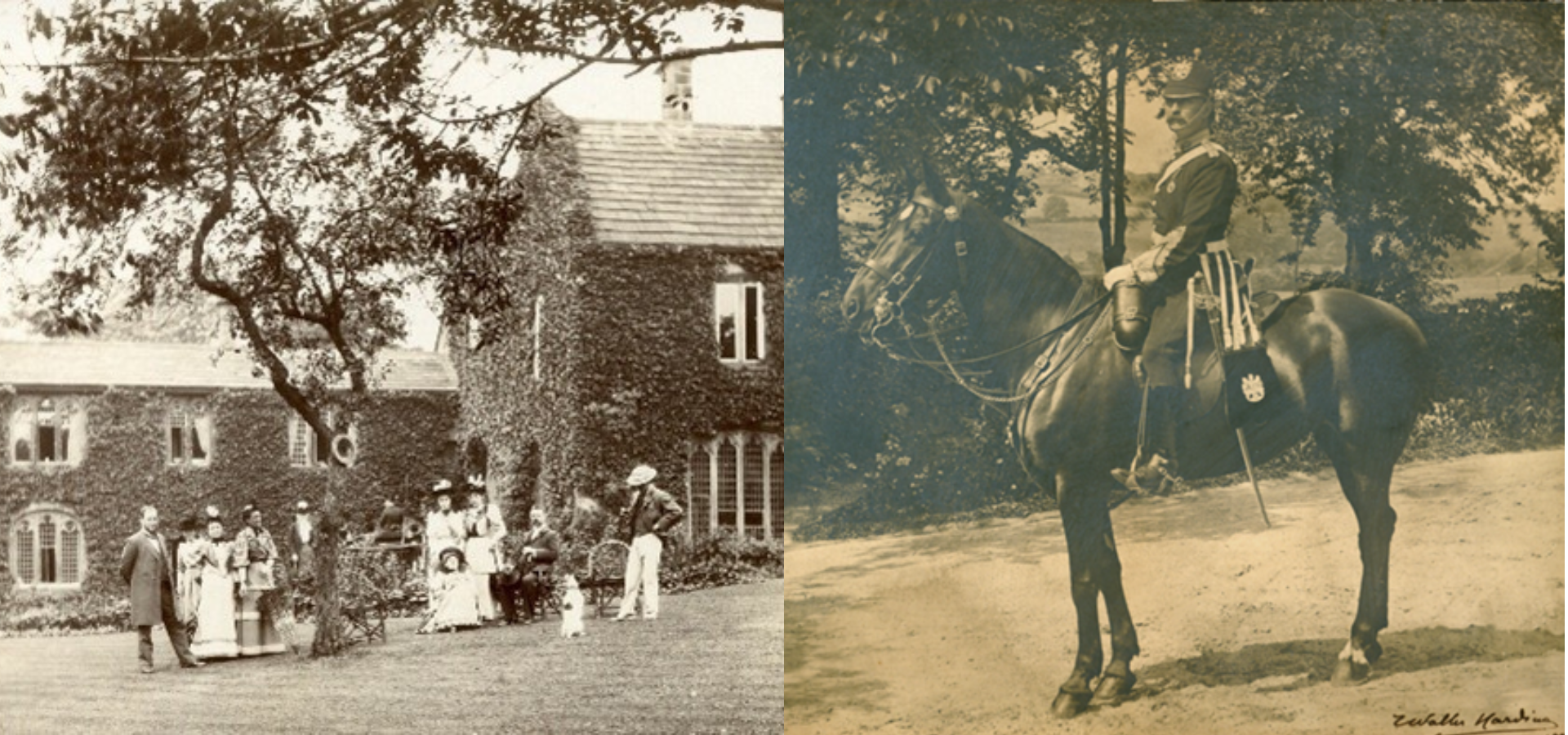
Colonel Harding’s Abbey House
Featured in In The Picture: Objects in Focus exhibition at Abbey House Museum
When Colonel T. Walter Harding arrived at Abbey House in July 1890, it wasn’t intended to be a permanent home for him and his family. The property still had ten years left of a lease previously held by the late J.O. Butler, an engineer and partner at Kirkstall Forge, so it was rented out by his executors. On the 30th of June 1890, Harding moved into a completely empty house and spent his first night as under-tenant sleeping on a mattress on the floor.
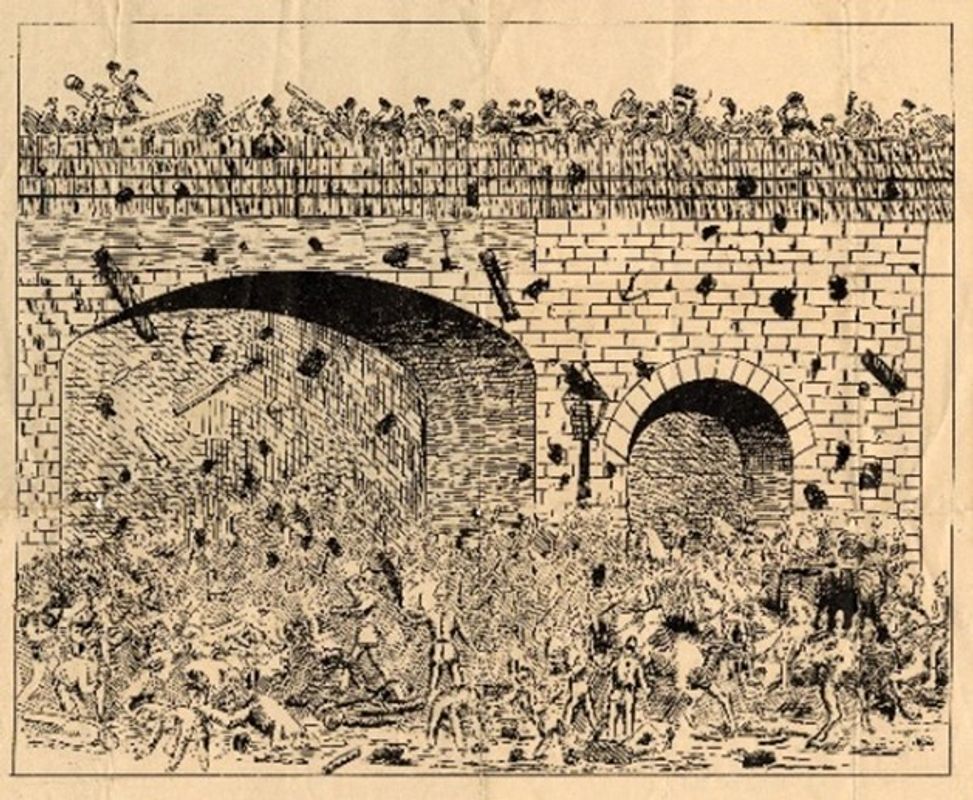
The next day at around 6am, he received a message from his sister, requesting his immediate and urgent presence in Leeds. During the night, riots had broken out in the city following a walk-out of gas workers protesting the reduction in their hours during the quieter summer months, and the attempts of the Corporation of Leeds to bus in labourers from Manchester and London to replace them. Amid the unrest, Harding’s father, a Magistrate, had been hit on the head by a stone.
Harding’s connection to the riots went beyond his father’s injury. His family owned the Tower Works factory in Holbeck, which would almost certainly have seen production slowed or even halted during the strike. He was also the Vice President of the Leeds Chamber of Commerce. In that capacity that he acted as a mediator in discussions between the Union and the Corporation, ultimately helping to resolve the conflict by lunchtime on the 3rd.
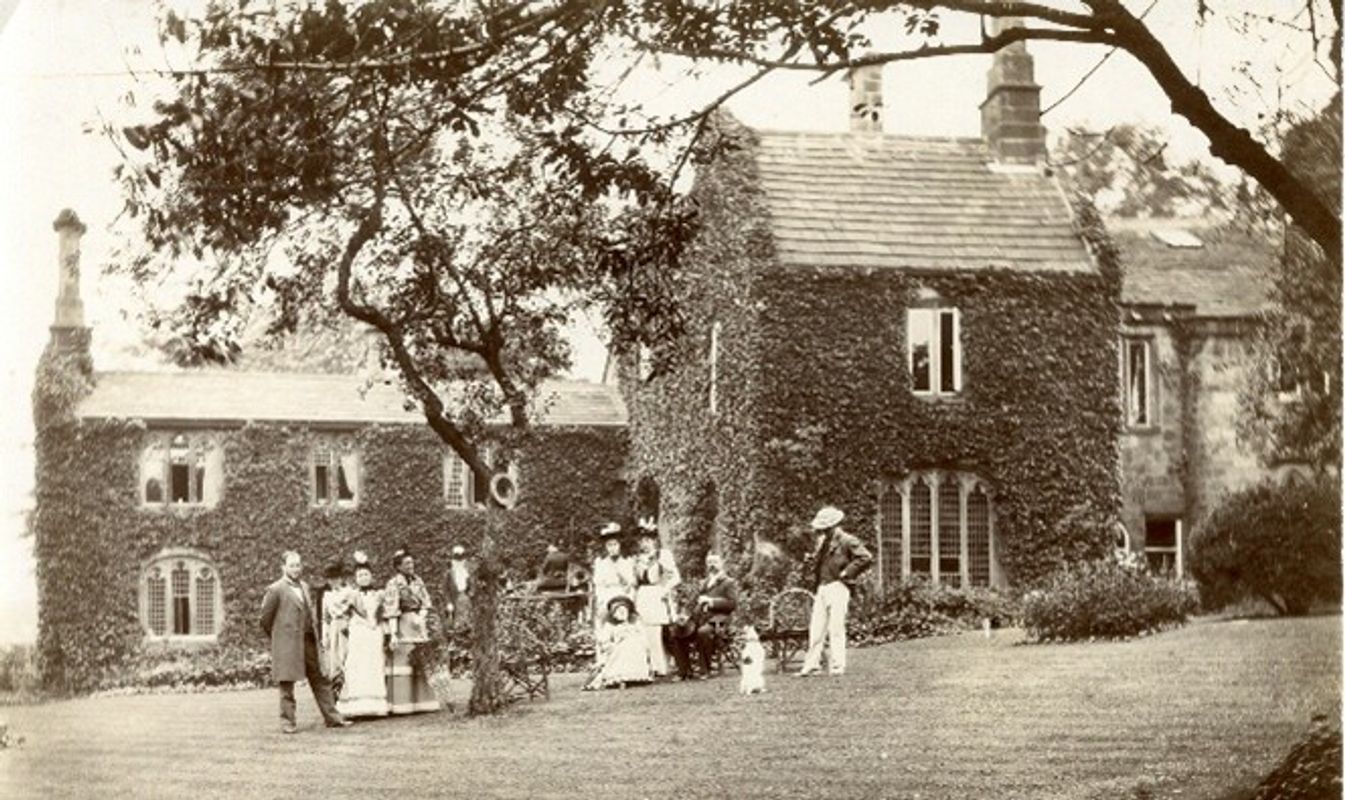
The following years at Abbey House were decidedly less chaotic. The house was purchased in November 1890 by Colonel John North along with the Abbey itself, which North donated to the city. Almost three years later, just two days after the existing lease expired, North sold the house to Colonel Harding. With the house now officially in his name and seeming like a more long-term abode, the Harding family began a program of renovations and additions.
Throughout its history, Abbey House has certainly never been short of visitors. Colonel Harding himself visited the property multiple times before living there to meet with acquaintances. However, it would likely have seen an exponential increase in line with Harding’s appointment to the Mayoralty of Leeds. With his new position came even more responsibility to host events for local figures of high standing, and thus Abbey House became the site of large gatherings featuring musical performances, comedians, and plenty of food and drinks.
Colonel Harding’s time as the Mayor of Leeds came to an end in 1899, and his time as a Leeds citizen was soon to follow. He was not from the city originally – his father’s business pursuits in the city’s wool industry brought the family North from their ancestral home in Cambridge, and it was ultimately to Cambridge where Harding would return to continue his career in the position of High Sheriff, to which he was appointed in 1901. His ties to Leeds remained for some time in the form of his position as Chairman of the Art Gallery Committee in 1904, and his brother-in-law Edmund Butler followed in his footsteps of holding the Mayoralty. It was not until 1912 that Harding sold Abbey House for an unknown (potentially negligible) sum, and ownership passed to the Butler family.
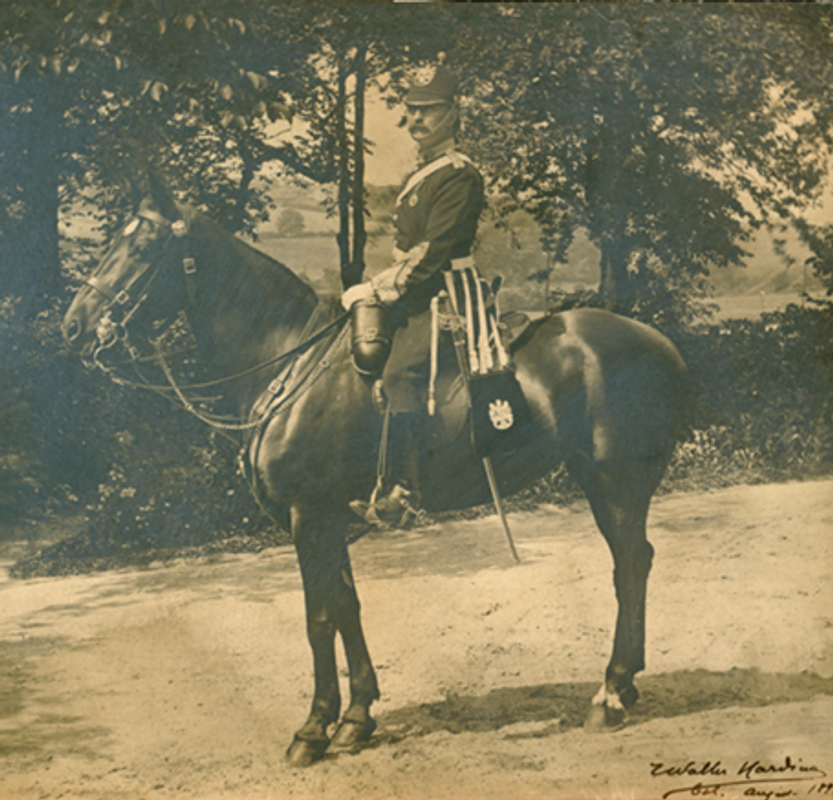
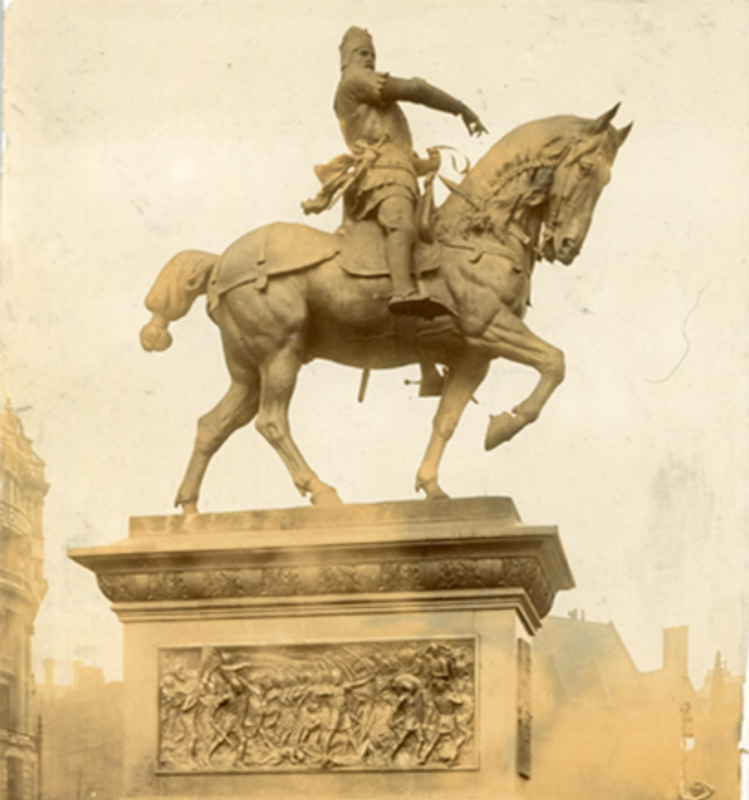
Before leaving the city of Leeds, Harding bestowed upon it one of its most iconic pieces of public art: the Black Prince statue, which stands in City Square. Since its unveiling in 1903 many have asked what Edward the Black Prince, the eldest son of Edward III who carved his reputation as an excellent military commander during the Hundred Years War (1337-1453), has to do with Leeds. The answer is, disappointingly, practically nothing – other than that Colonel Harding thought that he was the most optimal figure to illustrate the attitudes and values of the people of a rapidly growing city.
By Katy Marchant, Collections Placement for In The Picture: Objects in Focus
Discover a portrait of Colonel Thomas Walter Harding painted by Sir Hubert von Herkomer and Doctoral gown worn by Colonel Harding in In the Picture: Objects in Focus at Abbey House Museum.